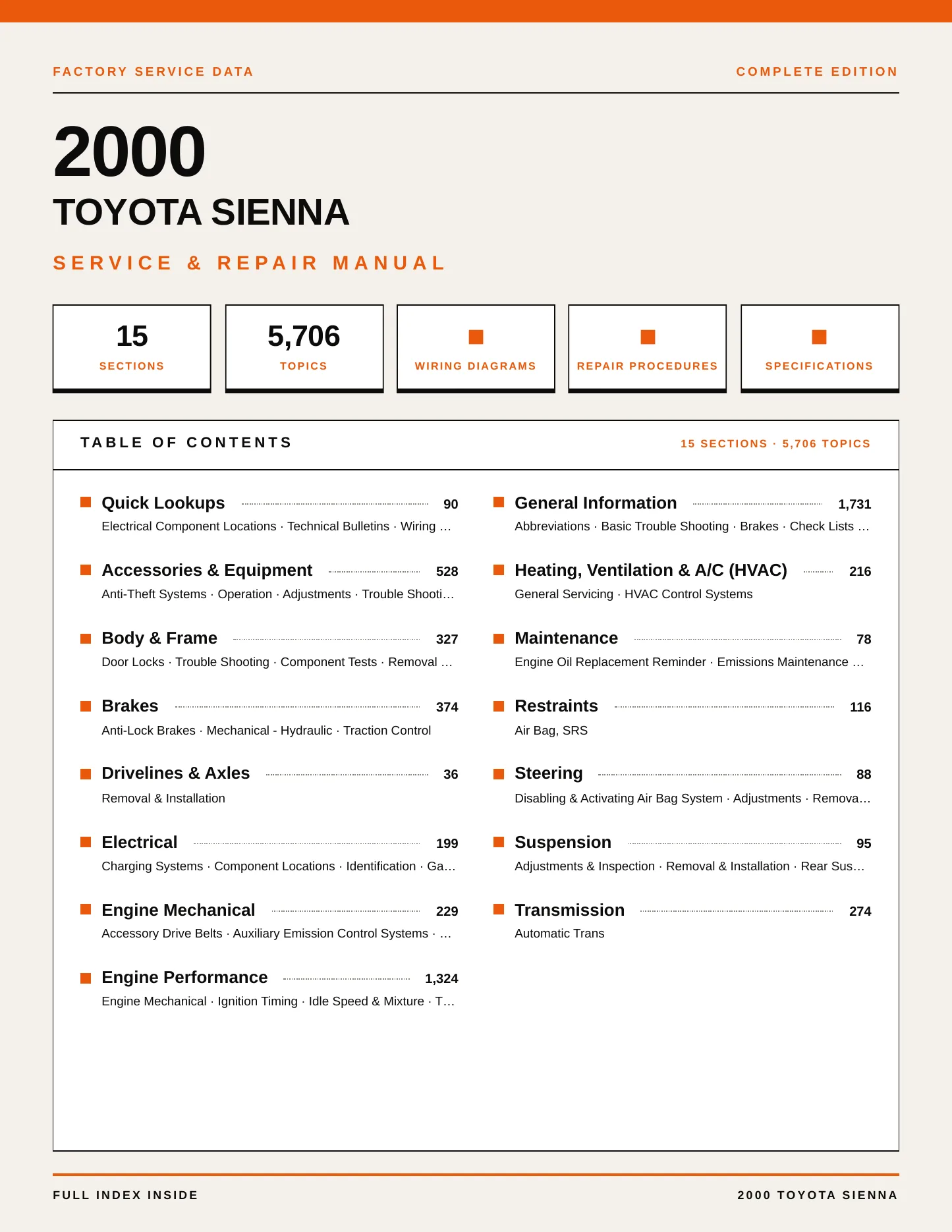
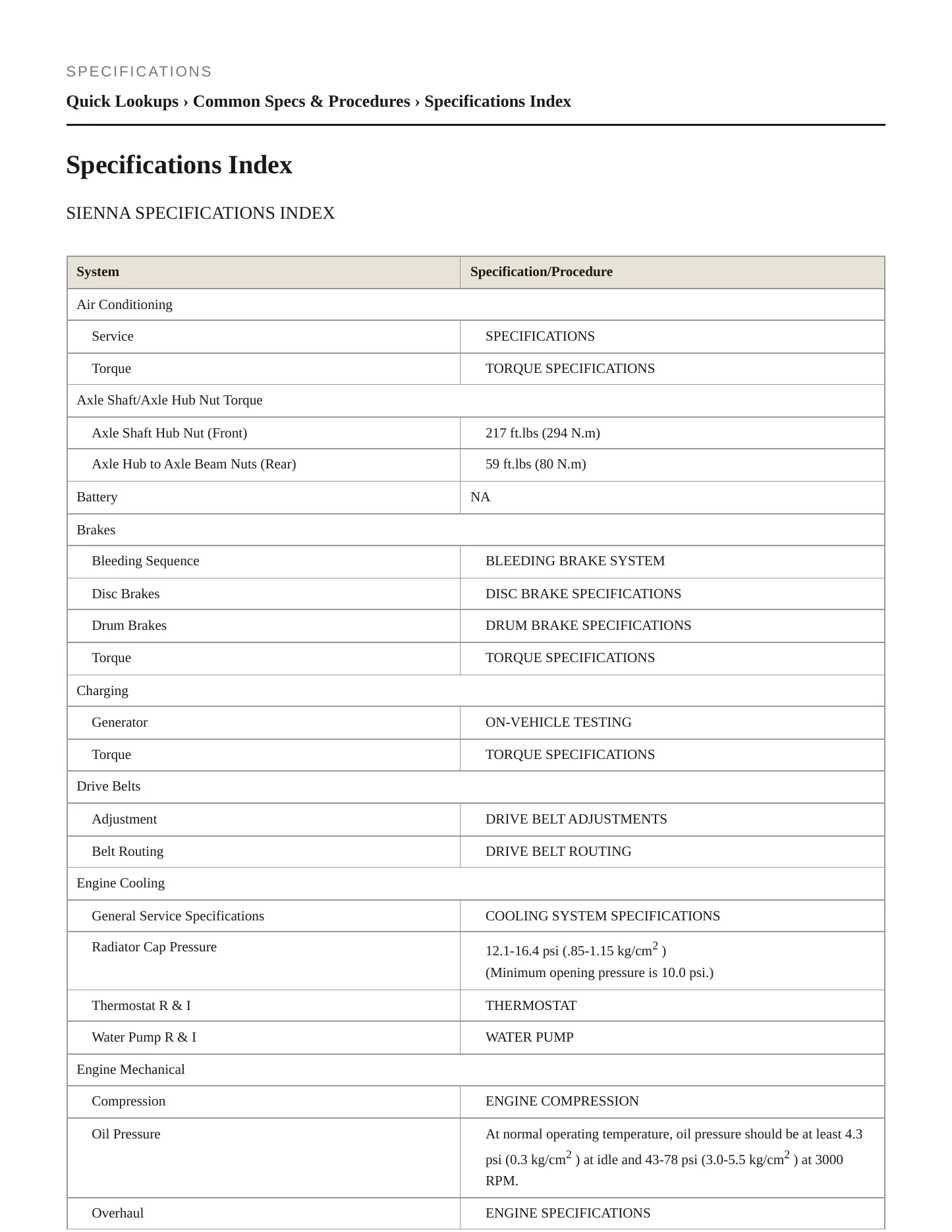
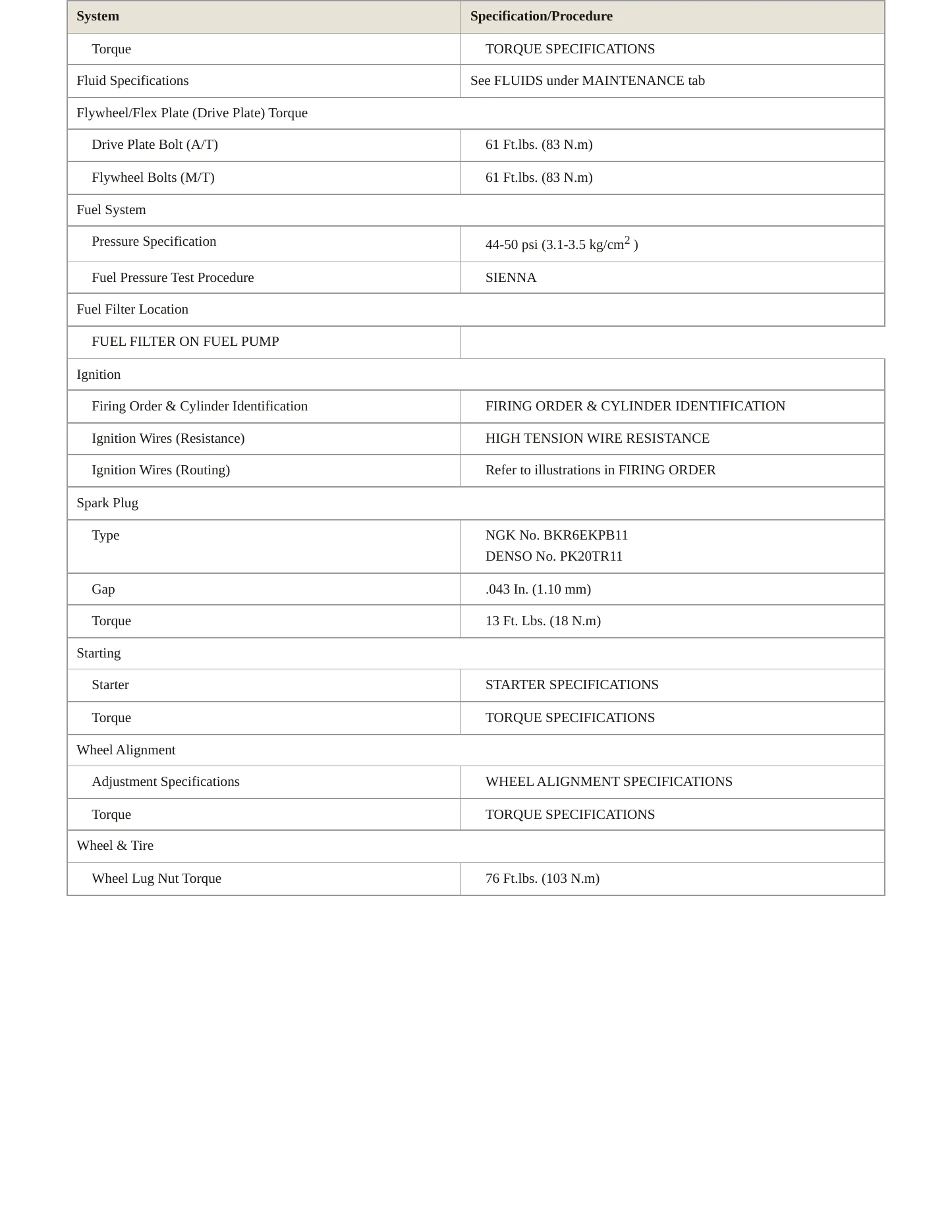
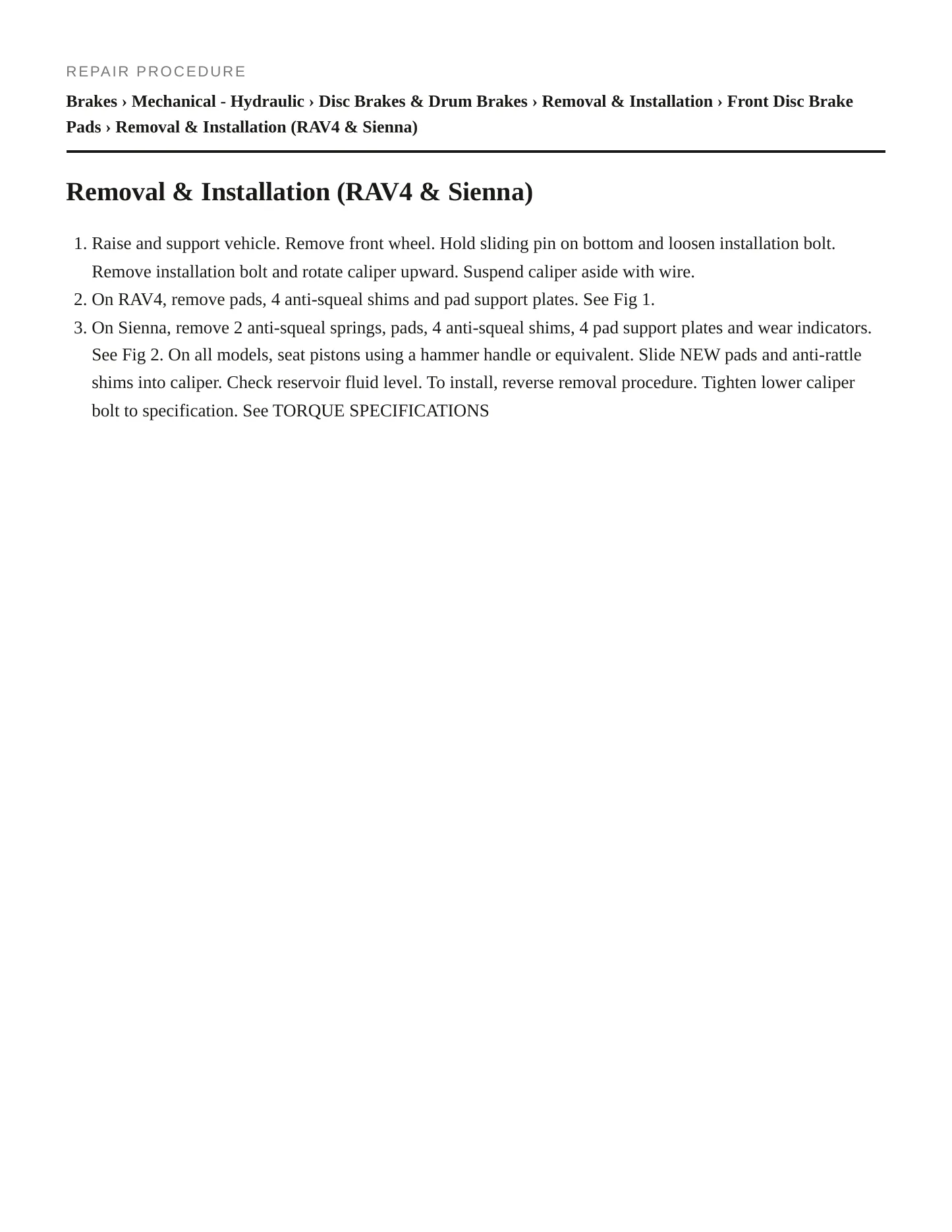
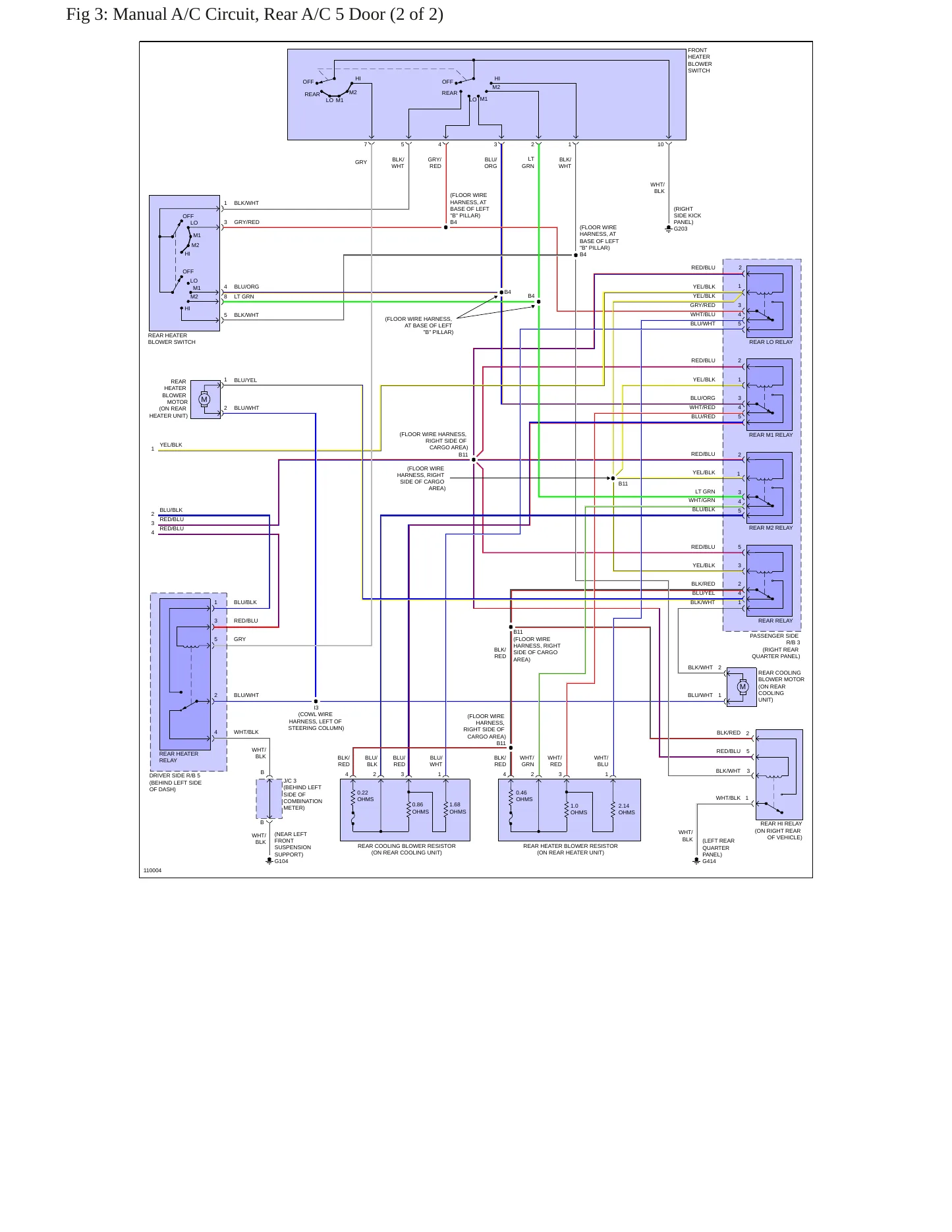
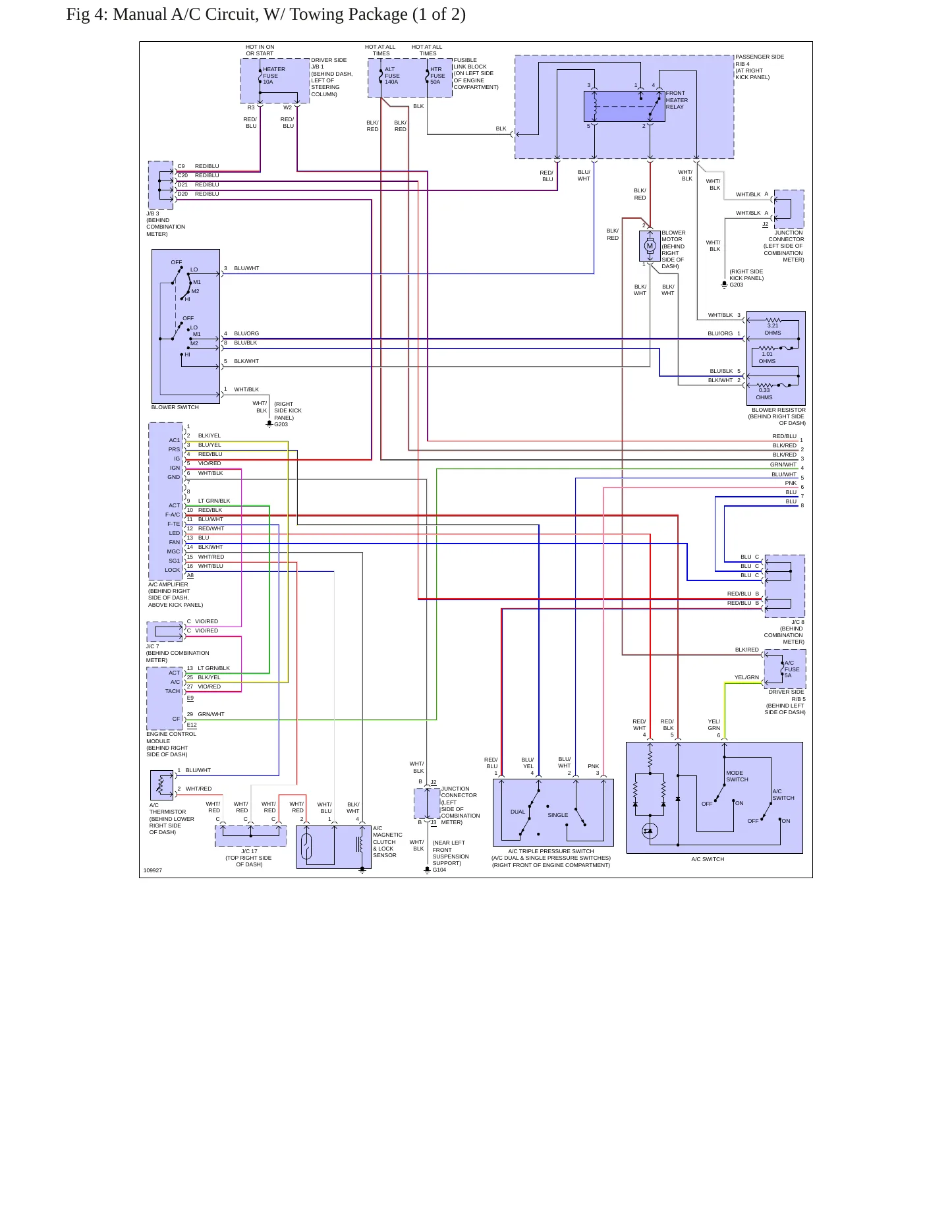
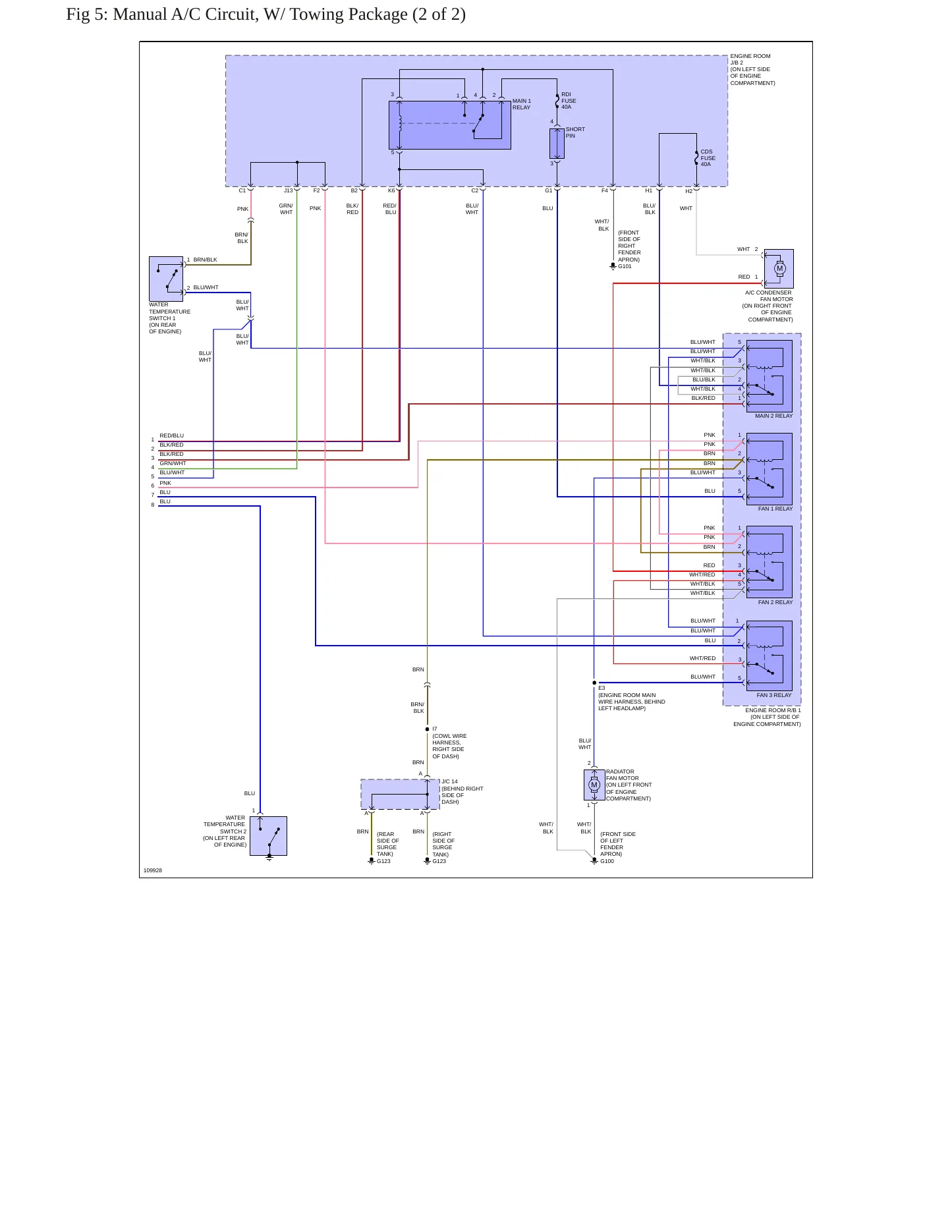
This factory service and repair manual is built around the 2000 Sienna exactly as Toyota released it, the 3.0L V6 (1MZ-FE) in CE, LE and XLE form, so the specifications and torque sequences you work to are the ones written for this model year rather than ones carried over from a neighboring one.
Engines
- 3.0L 3000CC V6 GAS Naturally Aspirated
Trims
- CE
- LE
- XLE
Known issues on the 2000 Sienna. One recall is on federal record for this model year, filed against the structure: the cable may break due to excessive corrosion and the spare tire may separate from the vehicle. Toyota's campaign covers certain 1998 through 2010 Sienna passenger vehicles manufactured between August 7, 1997 and January 4, 2010. Owners have filed 459 complaints against the 2000 Sienna and Toyota has issued 83 technical service bulletins for it.
Whether you are inspecting the spare tire cable for corrosion, working through a 3.0L V6 service interval, or tracing one of the faults behind those 459 owner complaints, it keeps you on Toyota's own procedure and the correct figure for this 2000 Sienna.
TOYOTA IS RECALLING CERTAIN MODEL YEAR 1998 THROUGH 2010 SIENNA PASSENGER VEHICLES MANUFACTURED BETWEEN AUGUST 7, 1997 AND JANUARY 4, 2010, CURRENTLY
THE CABLE MAY BREAK DUE TO EXCESSIVE CORROSION AND THE SPARE TIRE MAY SEPARATE FROM THE VEHICLE, POSSIBLY RESULTING IN A
TOYOTA WILL NOTIFY OWNERS WITH AN INTERIM LETTER INITIALLY INSTRUCTING THEM TO BRING THEIR VEHICLE TO AUTHORIZED DEALERS
The condition known as acid rain is caused by airborne chemicals or particles in the atmosphere, which mix with rainwater, nighttime dew, or high humidity to form acidic compounds. If these contaminants settle and remain on a painted vehicl
To prevent brake rotor rust from forming during transportation and storage, wheel film will be used instead of a cardboard type of anti-rust cover. The purpose of the wheel film is to shield the disc brake rotor from weather elements and in
Acid rain results from rainwater or other airborne moisture that become acidic due to industrial chemical impurities in the atmosphere. If these acidic compounds settle on an exposed vehicle, especially the horizontal areas such as the hood
Toyota vehicles are currently protected with RapgardTM protective film designed to protect the horizontal painted surfaces. This material protects from acid rain, environmental fallout, and rail contamination. Follow the Removal Procedure i
Vehicles may occasionally be subjected to contamination by airborne iron particles shed from railroad tracks, train wheels, exposure to heavy machinery facilities, grinding, welding, etc. This type of contamination can be identified by the
The condition known as acid rain is caused by airborne chemicals or particles in the atmosphere, which mix with rainwater, nighttime dew, or high humidity to form acidic compounds. If these contaminants settle and remain on a painted vehicl
To prevent brake rotor rust from forming during transportation and storage, wheel film will be used instead of a cardboard type of anti-rust cover. The purpose of the wheel film is to shield the disc brake rotor from weather elements and in
Acid rain results from rainwater or other airborne moisture that become acidic due to industrial chemical impurities in the atmosphere. If these acidic compounds settle on an exposed vehicle, especially the horizontal areas such as the hood
Showing the 8 most recent of 114 technical service bulletins on file with NHTSA.
MULTIPLE PROBLEMS WITH MY 2000 TOYOTA SIENNA XLE, FIRST THE CAR HAD PROBLEMS WITH BATTERY DRAIN AND NOT STARTING, THEY
FOLLOWING AN ACCIDENT WHERE I WAS REAR ENDED I STARTED HAVING PROBLEMS FILLING THE FUEL TANK. THE PUMP WOULD CLICK OFF
WHILE DRIVING CONSUMER WAS INVOLVED IN A 35 MPH RIGHT FRONTAL COLLISION, TOTALLY DAMAGING FRONT END. ALSO, UPON IMPACT
ON MY WAY TO WORK WHEN A DEER RAN OUT IN FRONT OF ME. I HIT THE DEER ON THE FRONT PASSENGER SIDE CAUSING ME TO LOSE CONT
I BACKED DOWN THE DRIVEWAY. THERE WAS A TRASH CAN IN THE WAY AT THE BOTTOM OF THE DRIVEWAY, SO I PUT THE CAR IN PARK AN
Showing the 5 most serious of 381 complaints filed with NHTSA.