

Be the first to write a review
0%
(0)
0%
(0)
0%
(0)
0%
(0)
0%
(0)
Labor Day Sale: 30% off · Code LABOR30


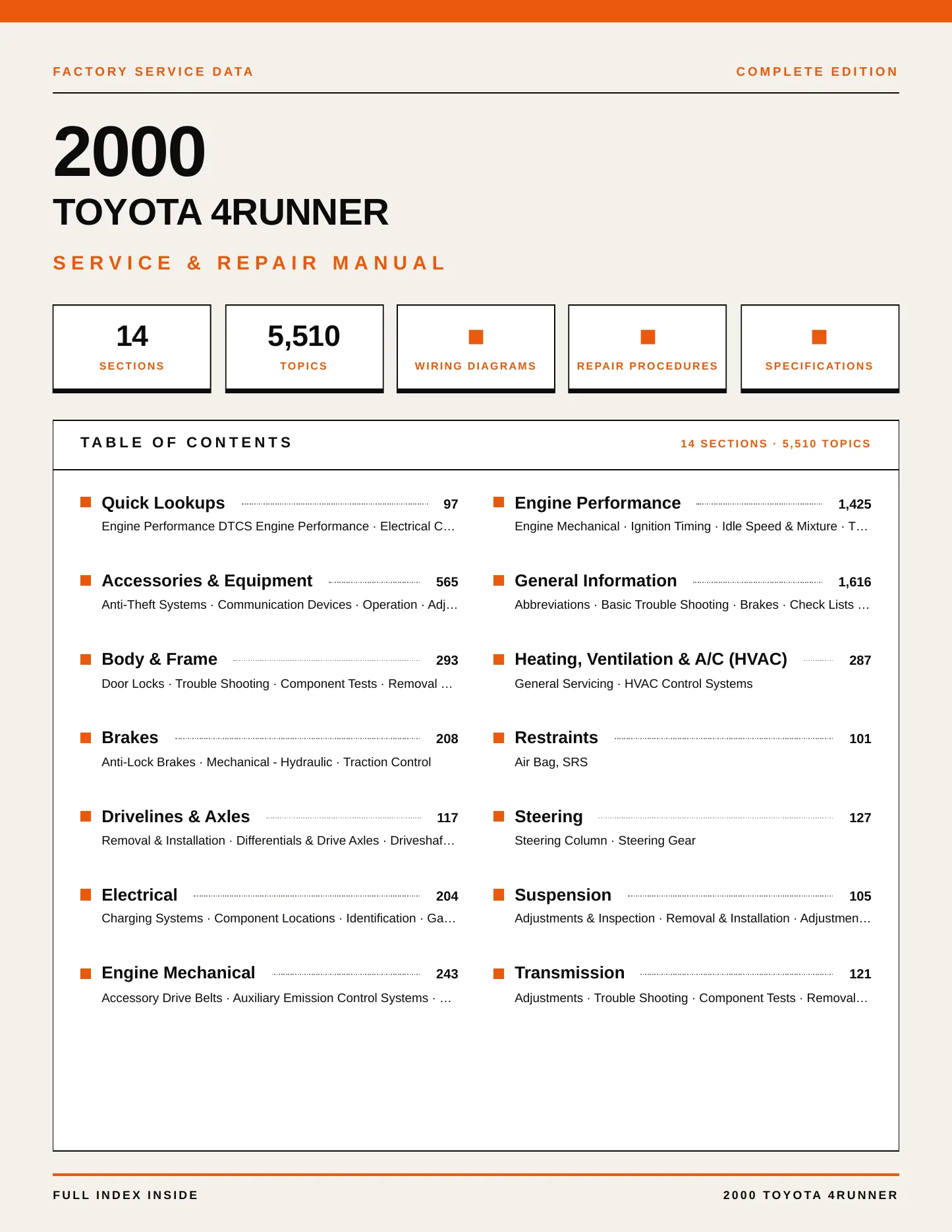
2000 Toyota 4Runner Service and Repair Manual

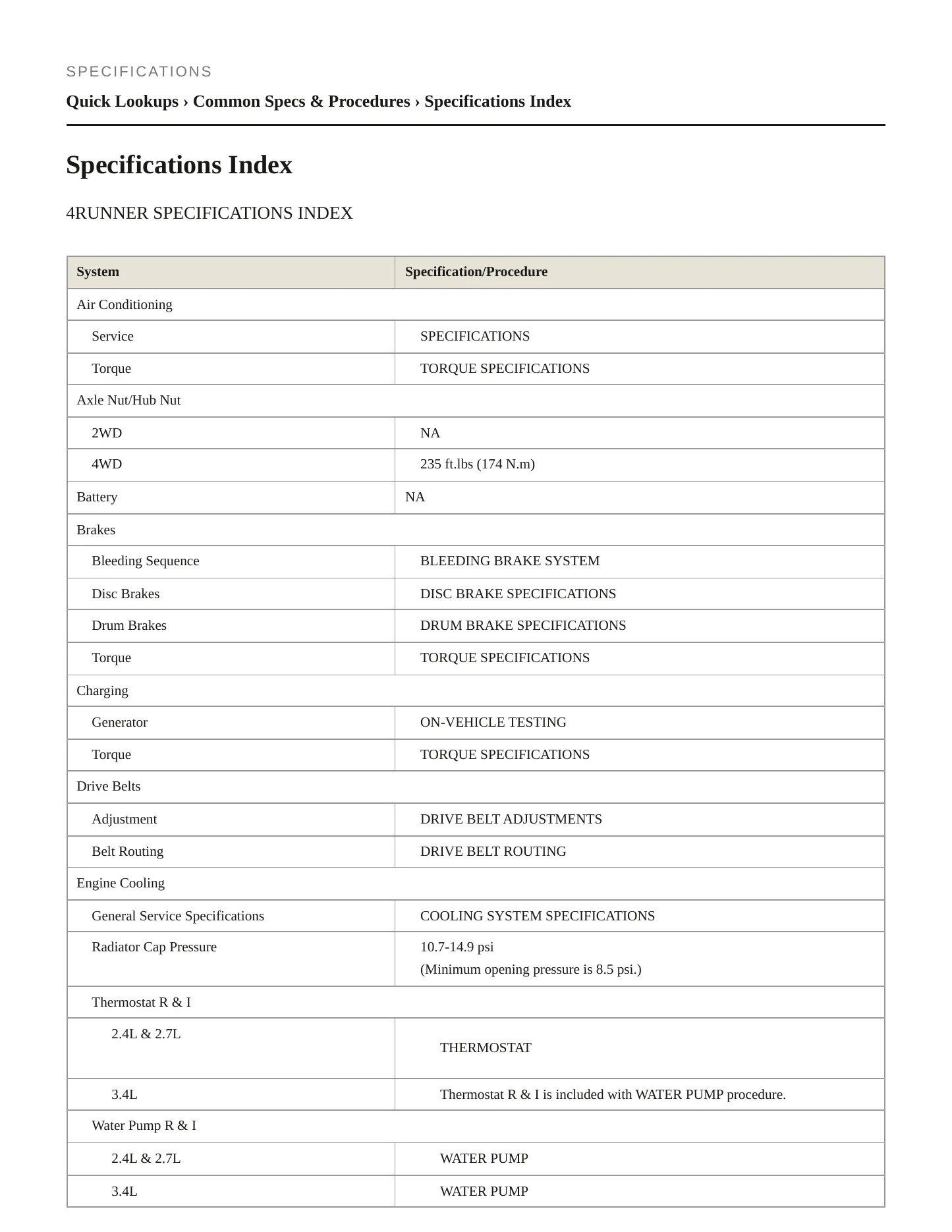
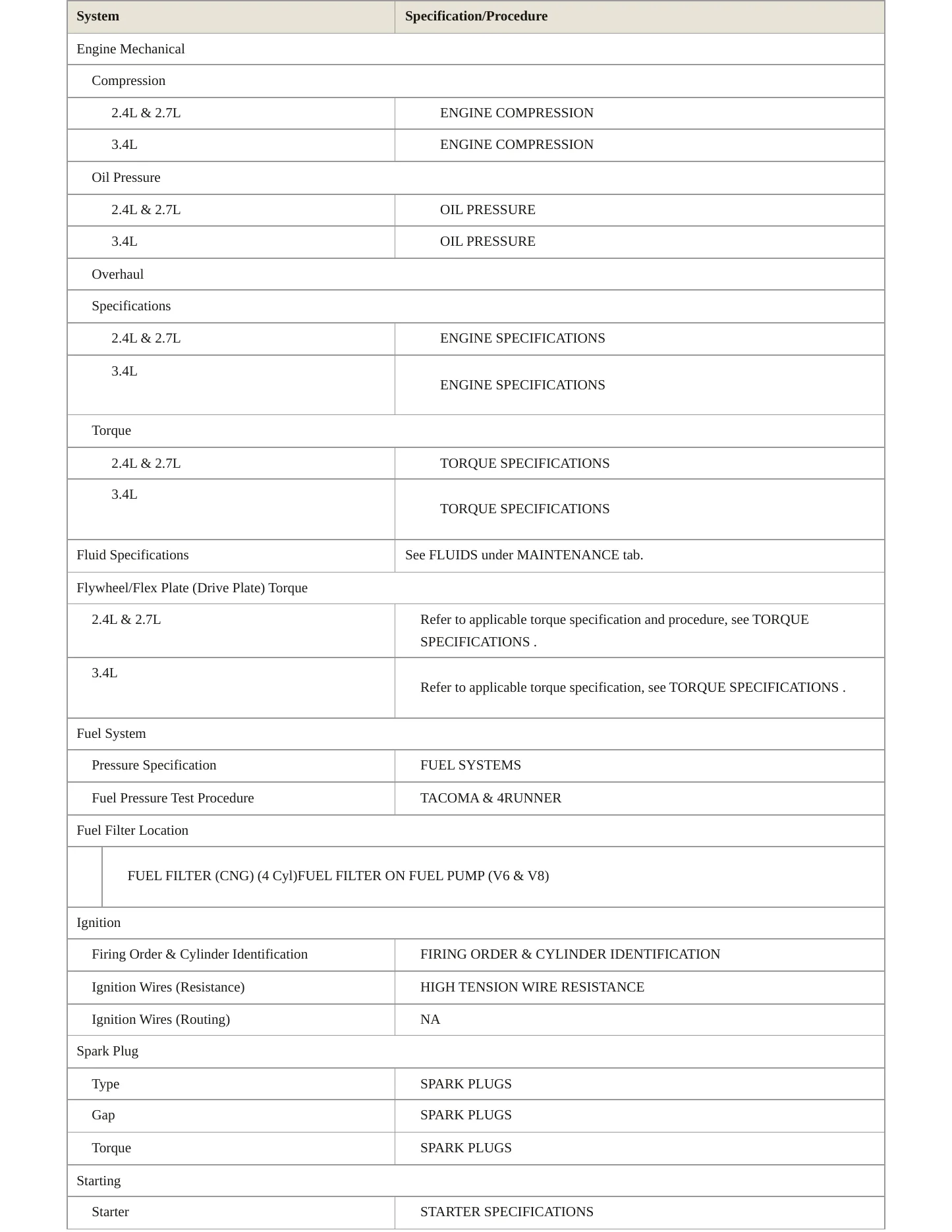
The 2000 Toyota 4Runner was sold with two engines, the 2.7L four (3RZ-FE) and the 3.4L V6 (5VZ-FE), across trims running from the base truck up to the Limited. This service and repair manual is written for the 2000 model year specifically, so the specifications it quotes are the ones Toyota set for this truck rather than values carried over from an adjacent year.
Engines
Trims
Known issues on the 2000 4Runner. Two recalls are on federal record for this model year, and both concern exterior lighting on replacement lamps sold for this vehicle. One covers certain CK Motorsports combination headlights, clear corner, bumper, and side marker lights sold as replacement lamps; the other covers certain Pro-A Motors corner lamps, turn signals, and headlights sold as replacement lamps. In both cases the recorded consequence is the same: without the amber reflectors, the vehicle will be poorly illuminated. Owners have submitted 520 complaints against the 2000 4Runner, and 43 technical service bulletins are on record for it.
Decades on, plenty of these trucks are still in daily use, and that is exactly when year-correct specifications matter more than a general repair guide.
CERTAIN CK MOTORSPORTS COMBINATION HEADLIGHTS, CLEAR CORNER, BUMPER, AND SIDE MARKER LIGHTS SOLD AS REPLACEMENT LAMPS FOR USE ON THE PASSENGER VEHICLE
WITHOUT THE AMBER REFLECTORS, THE VEHICLE WILL BE POORLY ILLUMINATED, POSSIBLY RESULTING IN A VEHICLE CRASH WITHOUT WARN
CK MOTORSPORT WILL NOTIFY OWNERS AND REPLACE THE NONCOMPLIANT LAMPS FREE OF CHARGE. THE RECALL BEGAN ON JULY 1, 2006.
CERTAIN PRO-A MOTORS CORNER LAMPS, TURN SIGNALS, AND HEADLIGHTS SOLD AS REPLACEMENT LAMPS FOR USE ON CERTAIN PASSENGER VEHICLES LISTED ABOVE. SOME CO
WITHOUT THE AMBER REFLECTORS, THE VEHICLE WILL BE POORLY ILLUMINATED, POSSIBLY RESULTING IN A VEHICLE CRASH WITHOUT WARN
PRO-A MOTORS WILL NOTIFY OWNERS AND OFFER TO REPURCHASE THE LAMPS. THE RECALL BEGAN ON APRIL 3, 2006. OWNERS MAY CONTA
The condition known as acid rain is caused by airborne chemicals or particles in the atmosphere, which mix with rainwater, nighttime dew, or high humidity to form acidic compounds. If these contaminants settle and remain on a painted vehicl
To prevent brake rotor rust from forming during transportation and storage, wheel film will be used instead of a cardboard type of anti-rust cover. The purpose of the wheel film is to shield the disc brake rotor from weather elements and in
Acid rain results from rainwater or other airborne moisture that become acidic due to industrial chemical impurities in the atmosphere. If these acidic compounds settle on an exposed vehicle, especially the horizontal areas such as the hood
Toyota vehicles are currently protected with RapgardTM protective film designed to protect the horizontal painted surfaces. This material protects from acid rain, environmental fallout, and rail contamination. Follow the Removal Procedure i
Vehicles may occasionally be subjected to contamination by airborne iron particles shed from railroad tracks, train wheels, exposure to heavy machinery facilities, grinding, welding, etc. This type of contamination can be identified by the
The condition known as acid rain is caused by airborne chemicals or particles in the atmosphere, which mix with rainwater, nighttime dew, or high humidity to form acidic compounds. If these contaminants settle and remain on a painted vehicl
To prevent brake rotor rust from forming during transportation and storage, wheel film will be used instead of a cardboard type of anti-rust cover. The purpose of the wheel film is to shield the disc brake rotor from weather elements and in
Acid rain results from rainwater or other airborne moisture that become acidic due to industrial chemical impurities in the atmosphere. If these acidic compounds settle on an exposed vehicle, especially the horizontal areas such as the hood
Showing the 8 most recent of 73 technical service bulletins on file with NHTSA.
I WAS DRIVING ON THE HIGHWAY AT ABOUT 45 TO 50 MILES PER HOUR SPEED ON A SLIGHTLY WET ROAD. ALL OF THE SUDDEN, THE VEHIC
I WAS DRIVING ON THE HIGHWAY AT ABOUT 45 TO 50 MILES PER HOUR SPEED ON A SLIGHTLY WET ROAD. ALL OF THE SUDDEN, THE VEHIC
I WAS DRIVING AROUND A CURVE AT ABOUT 25 TO 30 MILES PER HOUR SPEED ON A SLIGHTLY WET ROAD. WHEN I APPLIED BRAKES, THE
I WAS DRIVING ON THE FREEWAY DOING APPROX. 60 MPH. THE ROAD CONDITIONS WERE WET FROM PREVIOUS RAINFALL. MY 2000 TOYOTA 4
WHEN PULLING MY 2000 LIMITED 4WD 4 RUNNER BACK ONTO THE HIGHWAY OVER A 1INCH PIECE OF ASPHALT MY ENTIRE WHEEL CAME OFF,
Showing the 5 most serious of 494 complaints filed with NHTSA.