

1985 Chevrolet C30 Service and Repair Manual
- Digital manual
- Matched to your model
- Pay once, yours to keepPay once
- 180-day refund
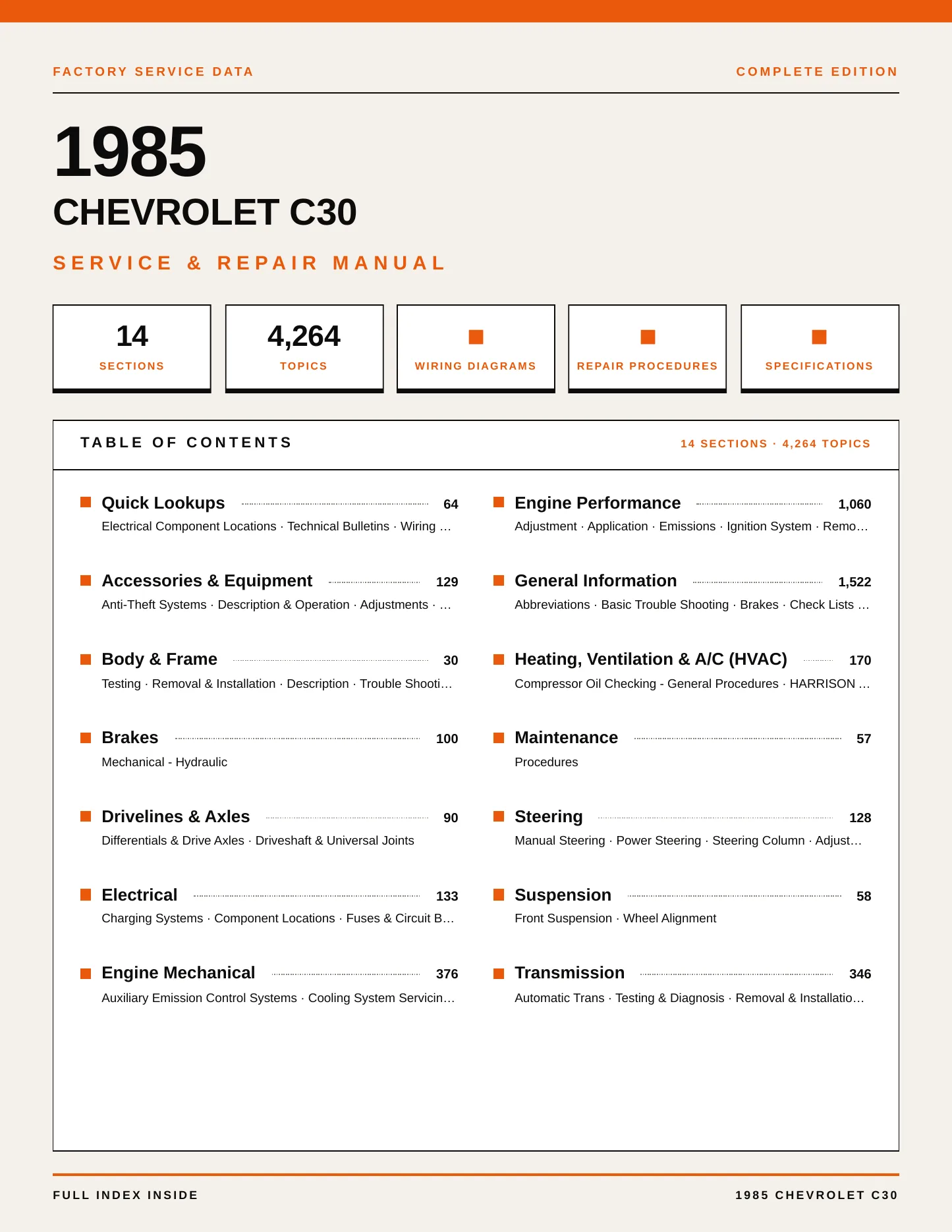
Unlock the full manual

1985 Chevrolet C30 Service and Repair Manual

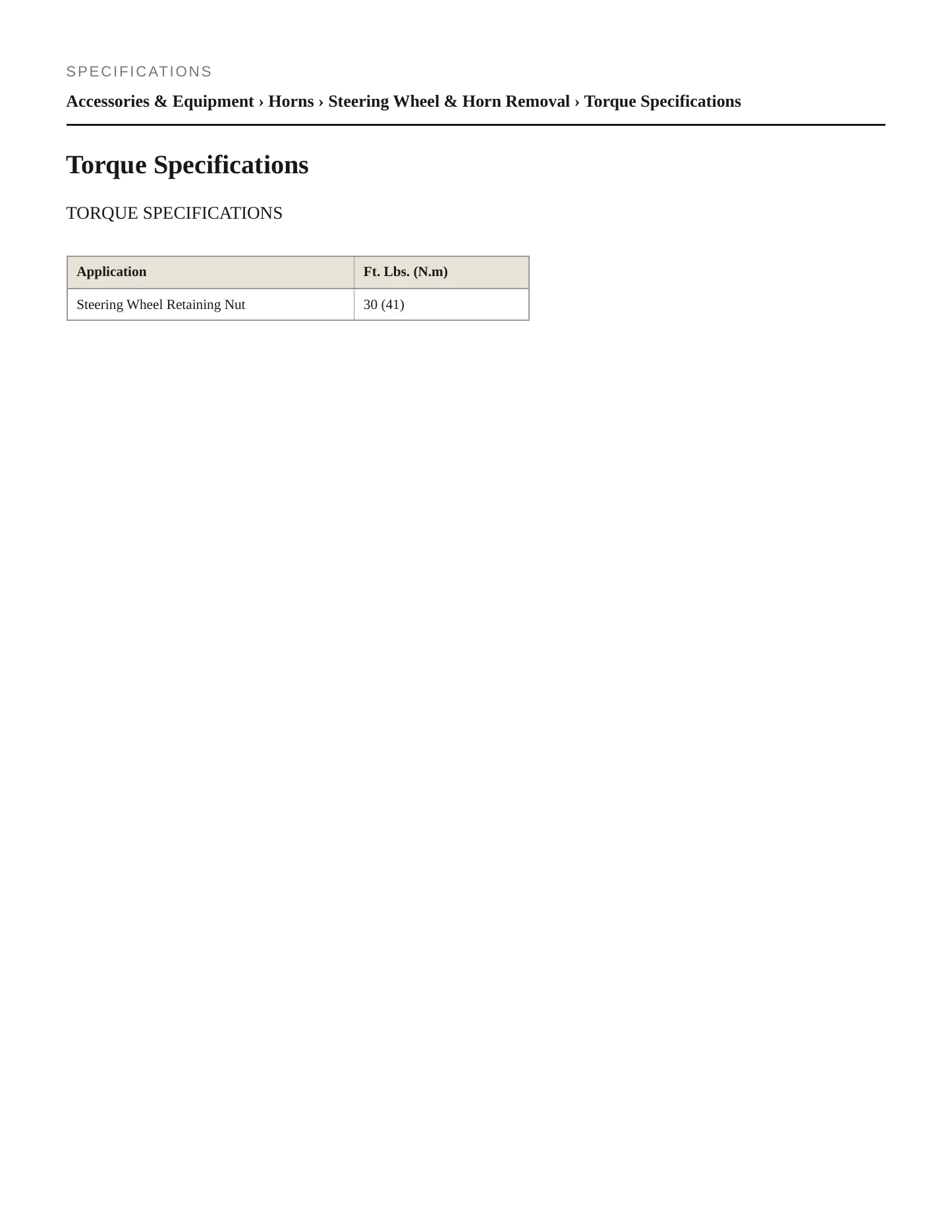
This factory service and repair manual for the 1985 Chevrolet C30 describes a truck sold in four shapes and three trims, powered by any one of four overhead-valve engines: the 4.8L inline-six, the 5.7L or 7.4L gasoline V8, or the 6.2L diesel. Custom, Scottsdale and Silverado name the equipment levels; the bodies are the crew cab pickup, the standard cab pickup and cab-and-chassis frames in two-door and four-door form. Knowing which engine and which body is in front of you decides which specifications and torque values apply.
Engines covered
- 7.4L V8 (454 cu in) — OHV, naturally aspirated, gasoline
- 6.2L V8 (379 cu in) — OHV, naturally aspirated, diesel
- 4.8L inline-six (292 cu in) — OHV, naturally aspirated, gasoline
- 5.7L V8 (350 cu in) — OHV, naturally aspirated, gasoline
Body styles covered
- 2-door standard cab pickup
- 4-door cab & chassis
- 4-door crew cab pickup
- 2-door cab & chassis
Trims covered
- Custom
- Scottsdale
- Silverado
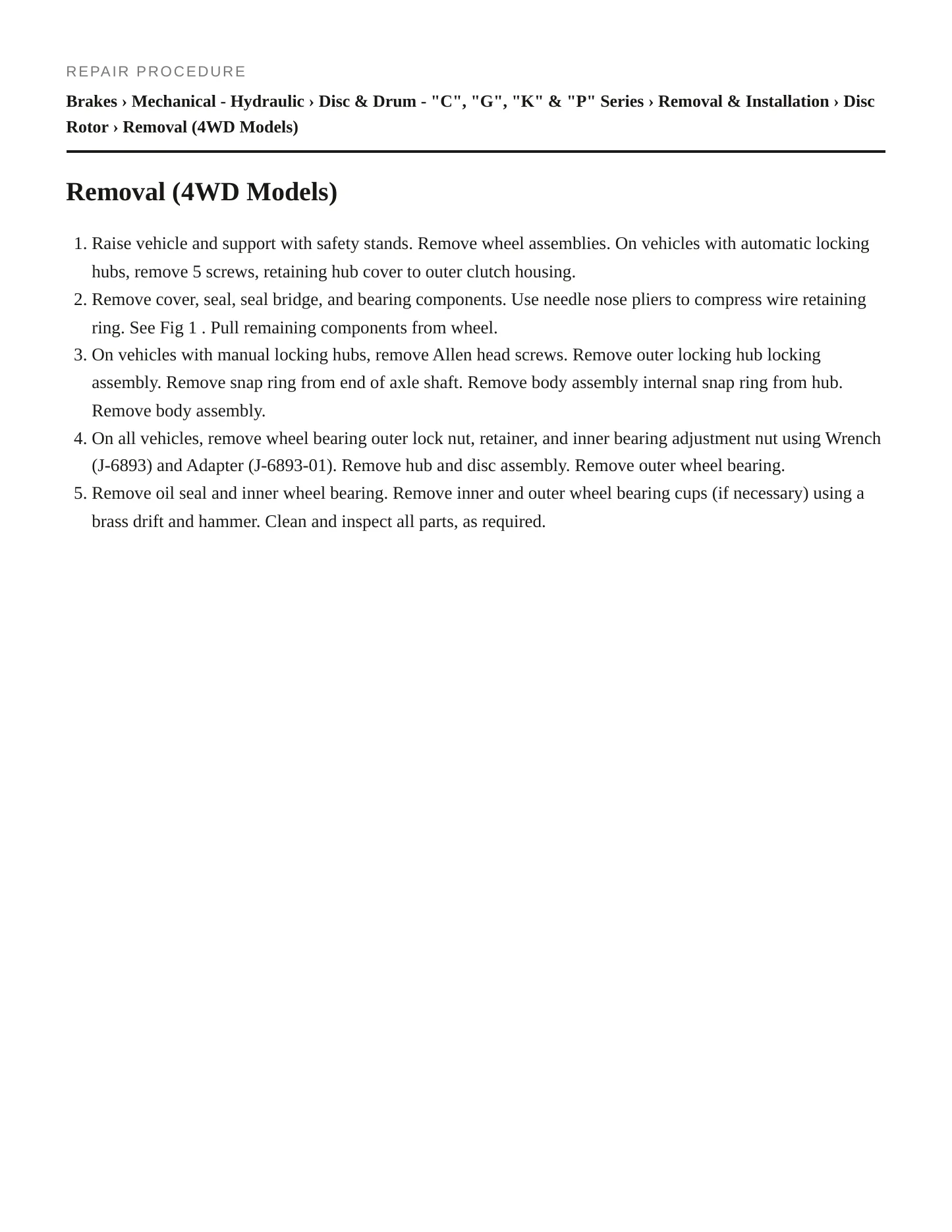
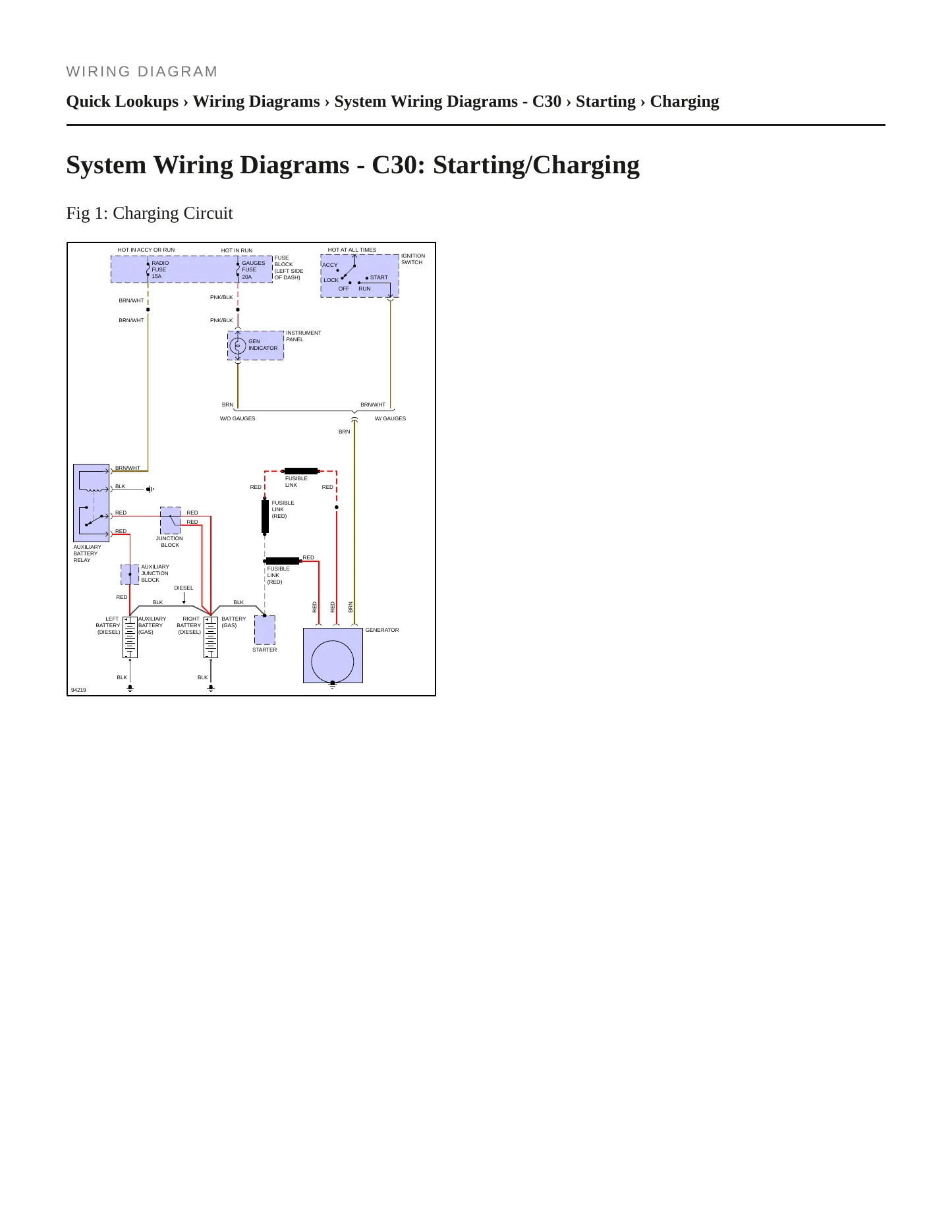
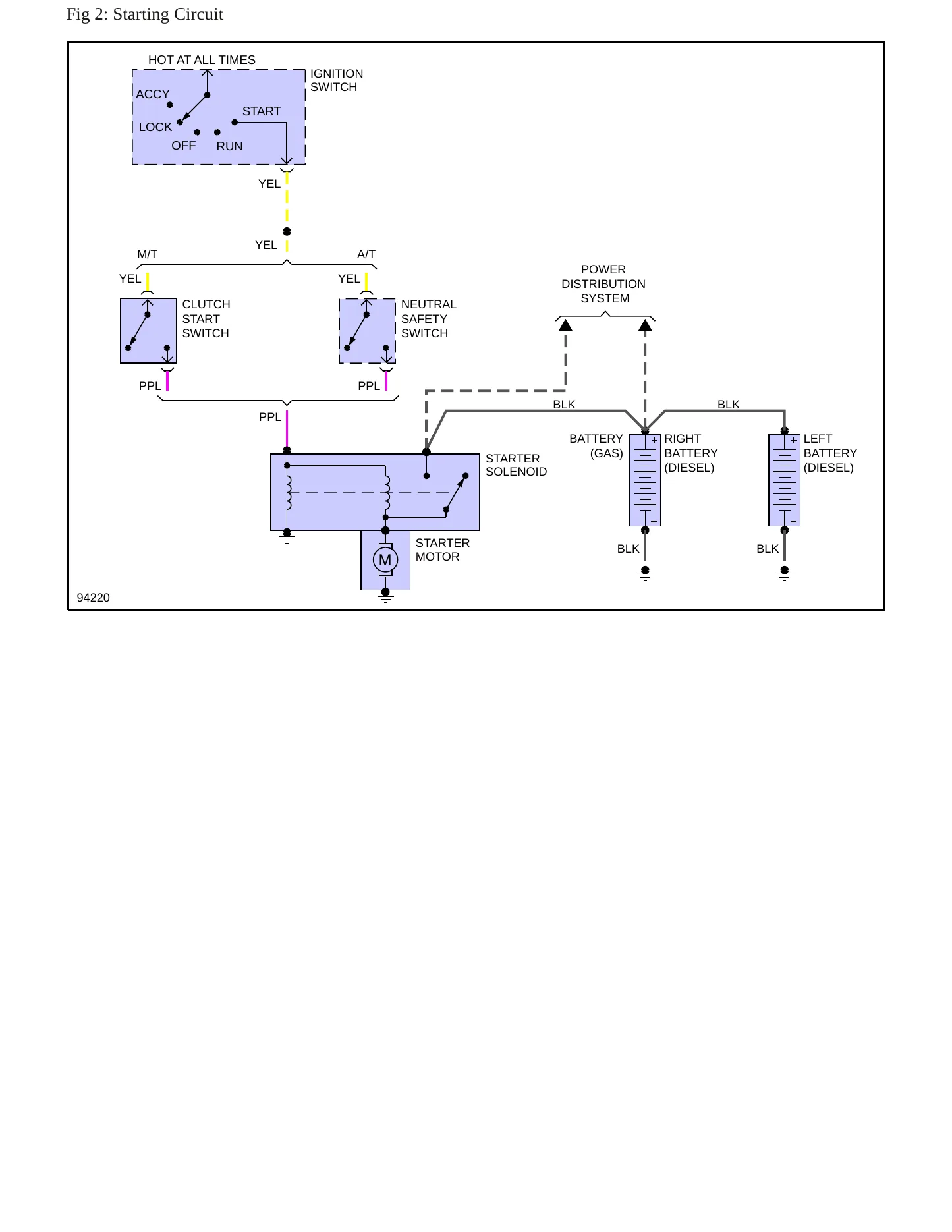
Known issues on the 1985 C30. This model year passes the federal record without a recall or an owner complaint against it. The manual's value lies in the ordinary: engine mechanical repair and torque values for four engines, fuel and ignition diagnosis for the gasoline engines with separate coverage for the diesel, clutch, transmission and axle work, hydraulic brake overhaul and adjustment, steering gear and front suspension alignment specifications, and wiring diagrams that account for the differences between pickup, crew cab and chassis cab bodies.