

1984 Chevrolet C30 Service and Repair Manual
- Digital manual
- Matched to your model
- Pay once, yours to keepPay once
- 180-day refund
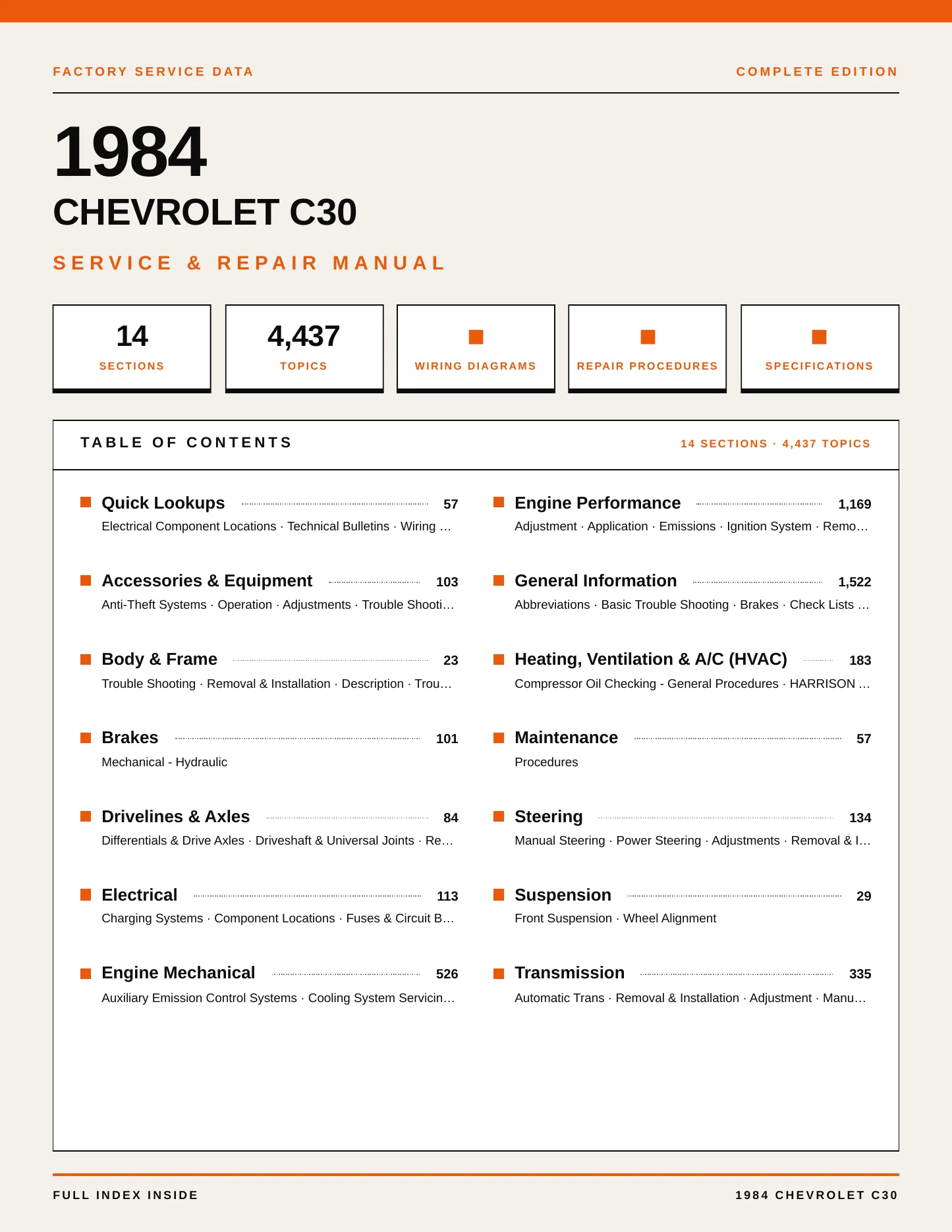
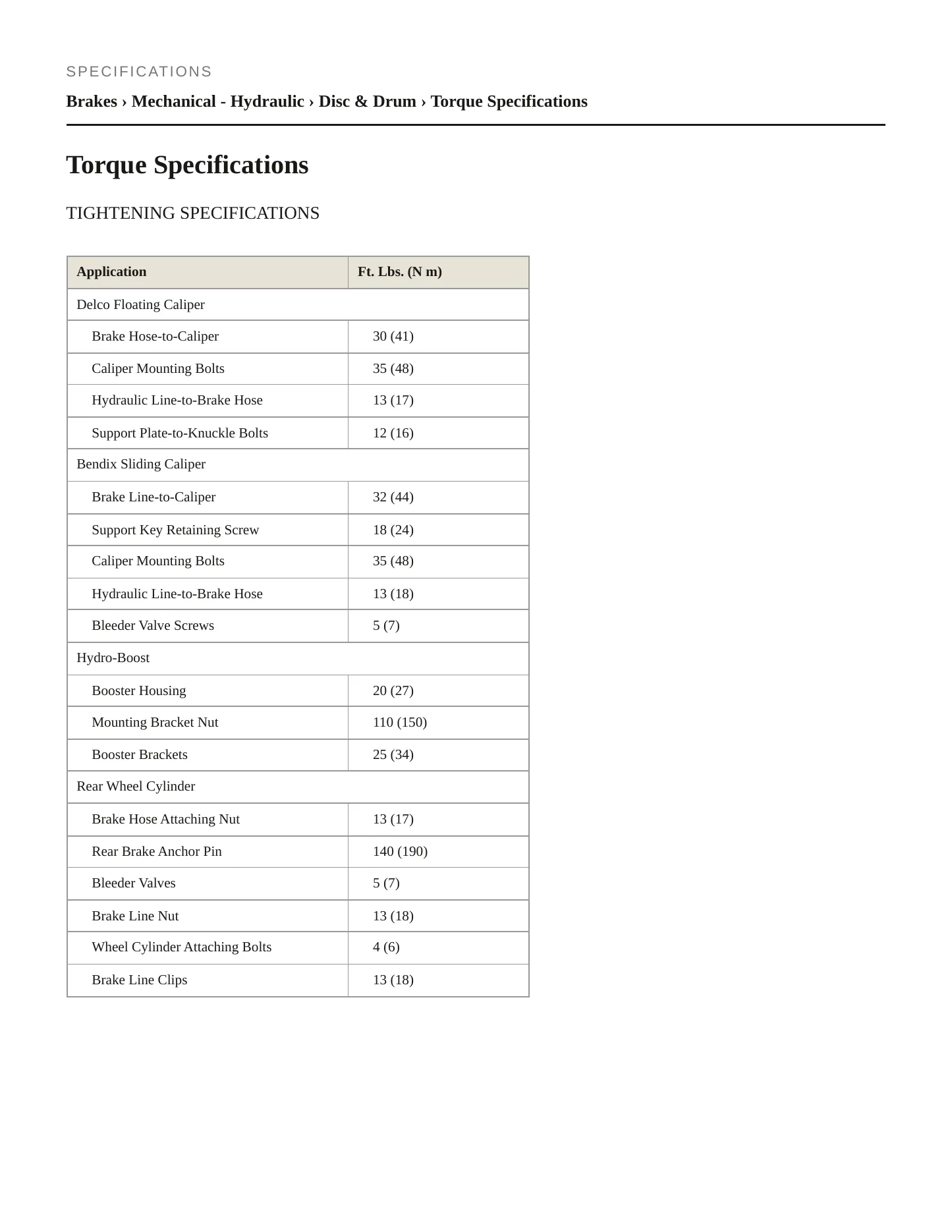
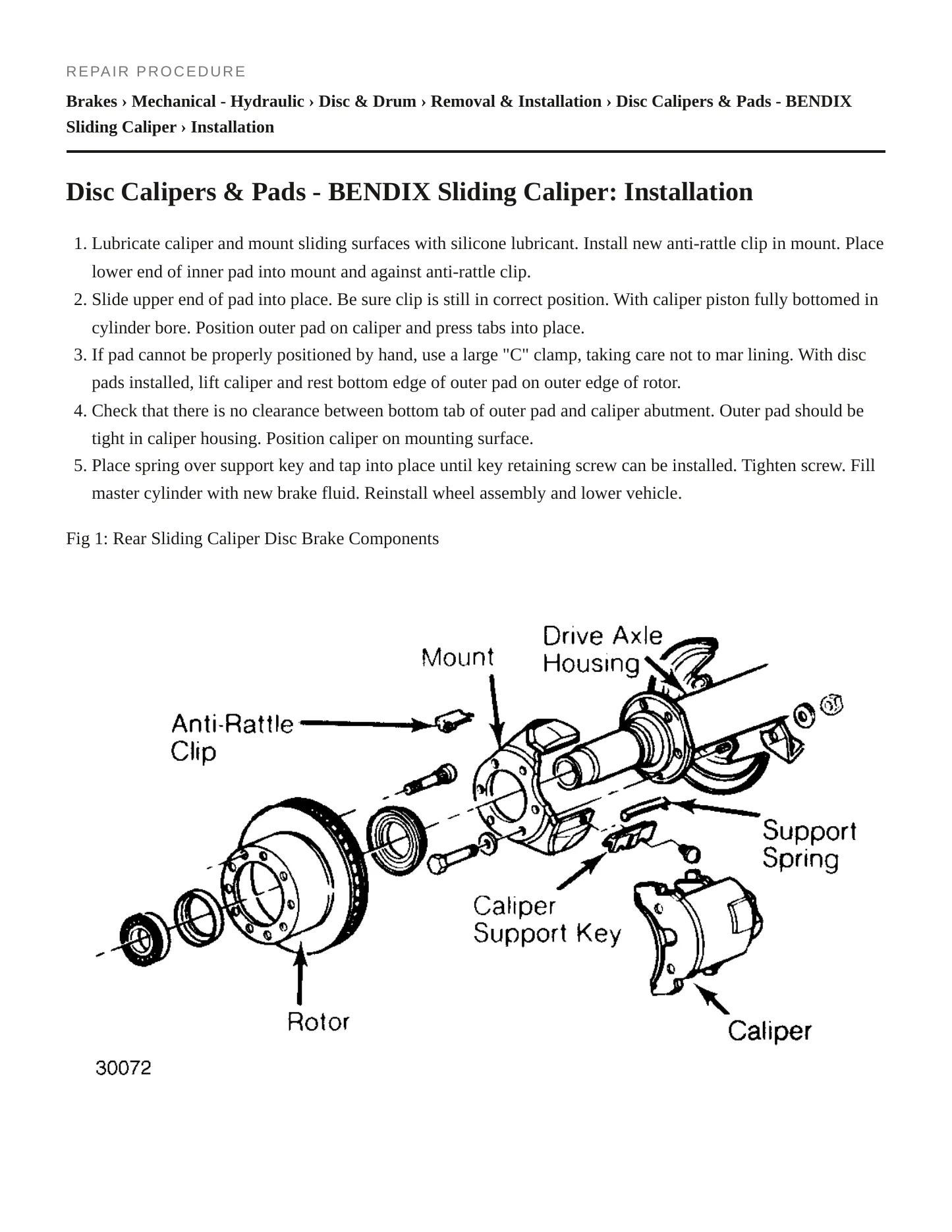
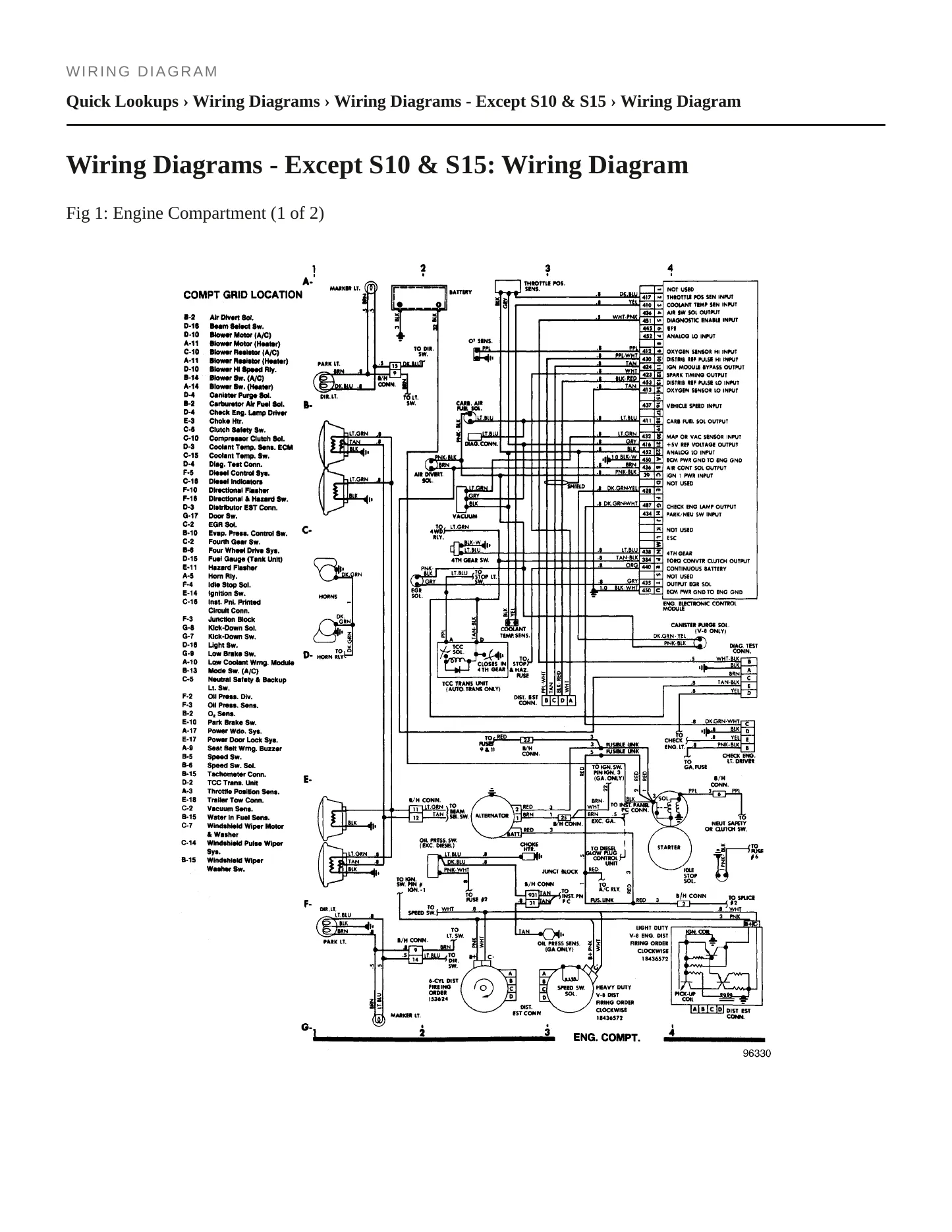
Unlock the full manual

1984 Chevrolet C30 Service and Repair Manual

This factory service and repair manual for the 1984 Chevrolet C30 covers four engines, a 4.8L inline-six, 5.7L and 7.4L gasoline V8s and the 6.2L diesel, across four bodies: two- and four-door cab-and-chassis, a standard cab pickup and a four-door crew cab, in Custom, Scottsdale and Silverado trim. A heavy chassis truck rarely leads a simple life, and the manual is arranged so the chassis, brake and steering sections can be worked from without reading the engine chapters first.
Engines covered
- 7.4L V8 (454 cu in) — OHV, naturally aspirated, gasoline
- 6.2L V8 (379 cu in) — OHV, naturally aspirated, diesel
- 4.8L inline-six (292 cu in) — OHV, naturally aspirated, gasoline
- 5.7L V8 (350 cu in) — OHV, naturally aspirated, gasoline
Body styles covered
- 2-door standard cab pickup
- 4-door cab & chassis
- 4-door crew cab pickup
- 2-door cab & chassis
Trims covered
- Custom
- Scottsdale
- Silverado
Known issues on the 1984 C30. Four recalls sit on the federal record. One concerns steering tie rods left incompletely fastened, which can let the linkage separate and take the front wheels out of the driver's control. Another covers wheels that can crack through the drop center of the rim until the rim splits and the tire loses its air. A third involves a fuel tank that spills too much fuel in a frontal impact, and the fourth a replacement oil filter that seals badly. One complaint concerns the engine and cooling. Steering linkage, wheel, fuel tank and lubrication procedures are given here.