

1983 Audi 5000 Service and Repair Manual
- Digital manual
- Matched to your model
- Pay once, yours to keepPay once
- 180-day refund
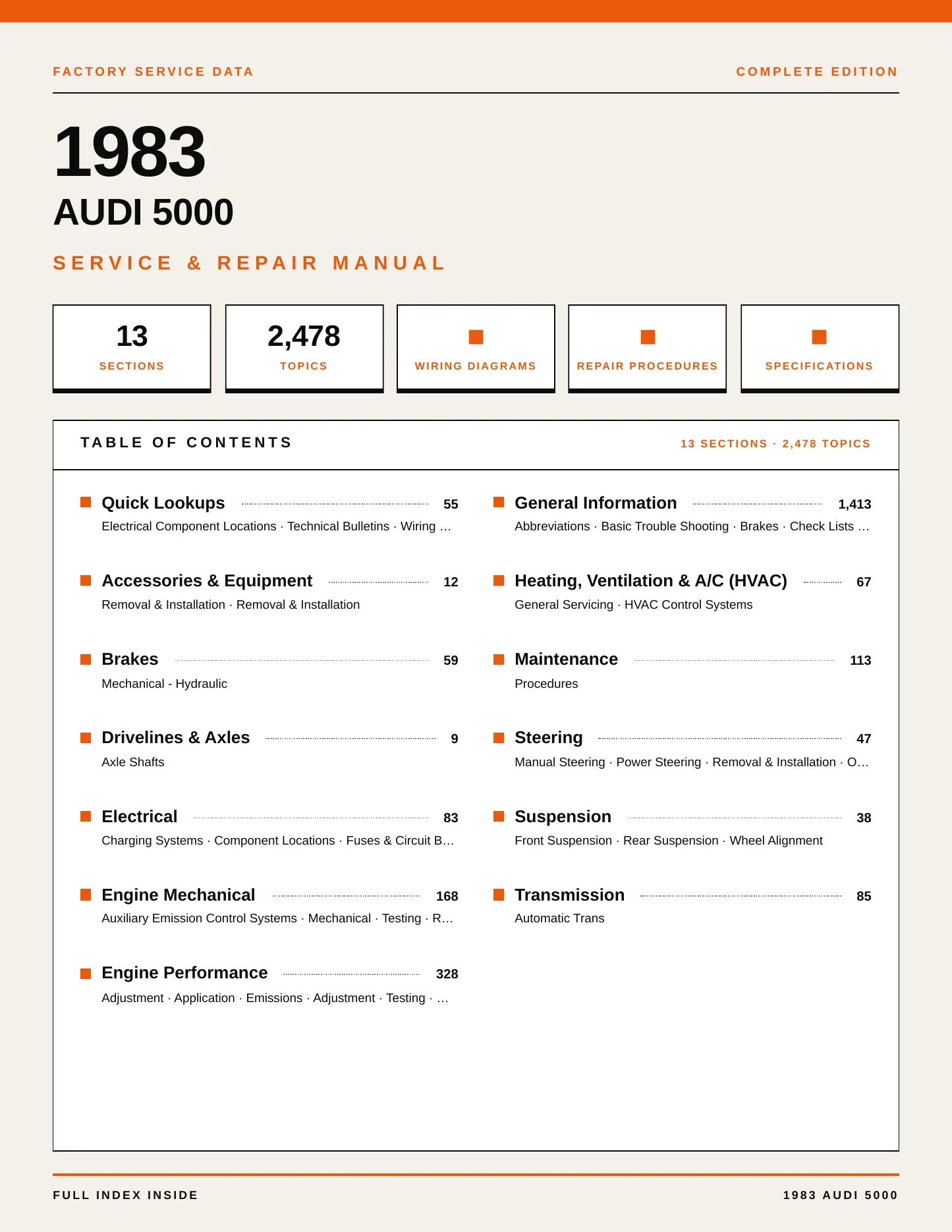
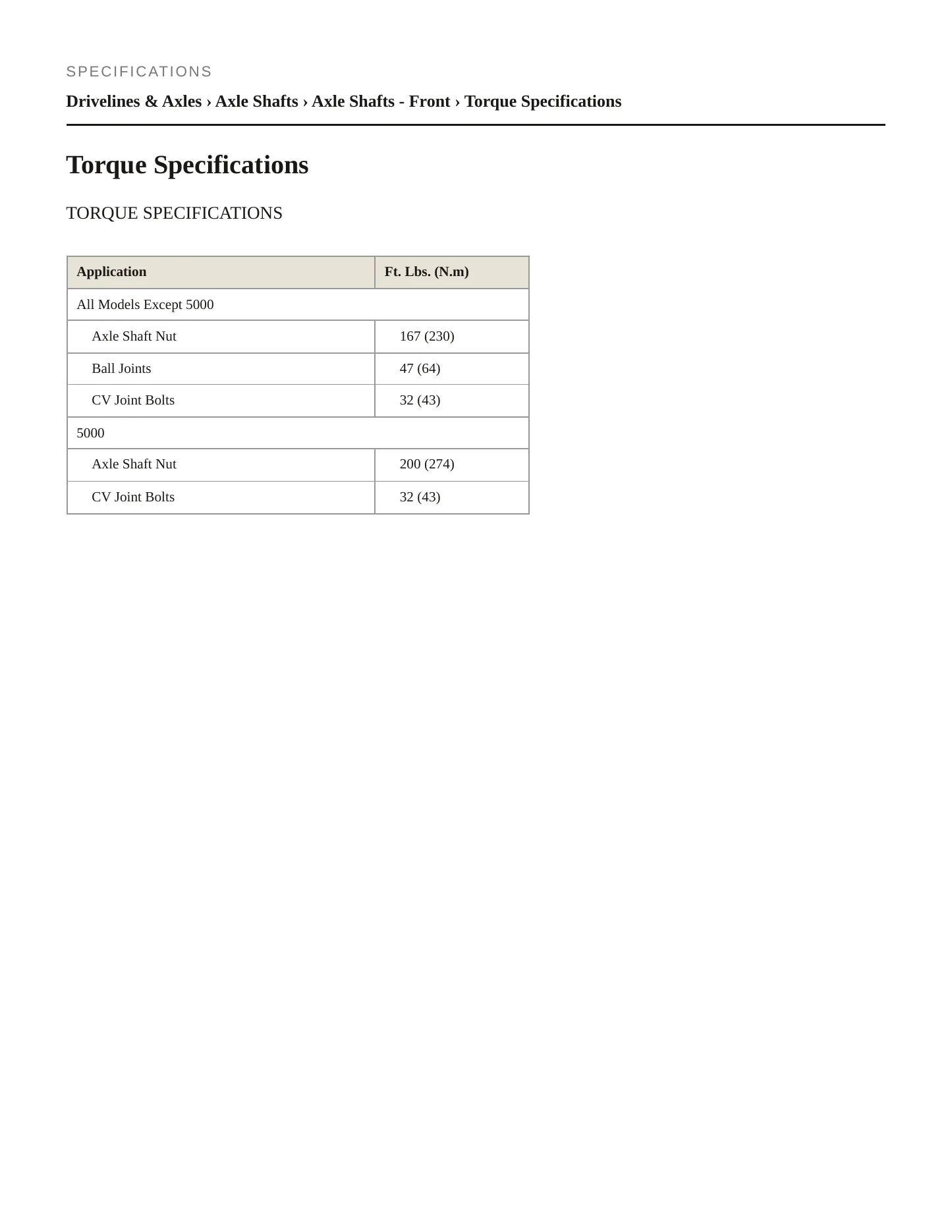
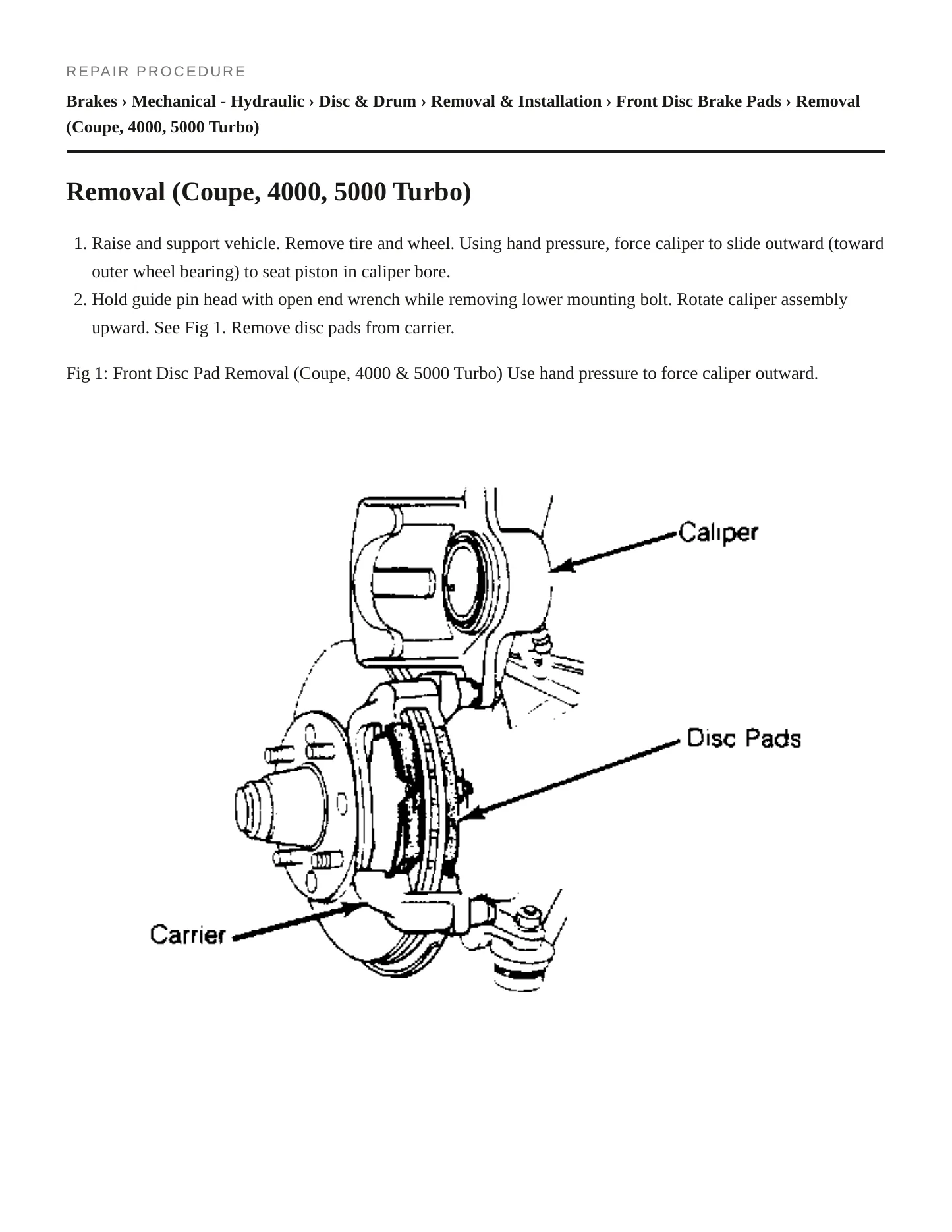
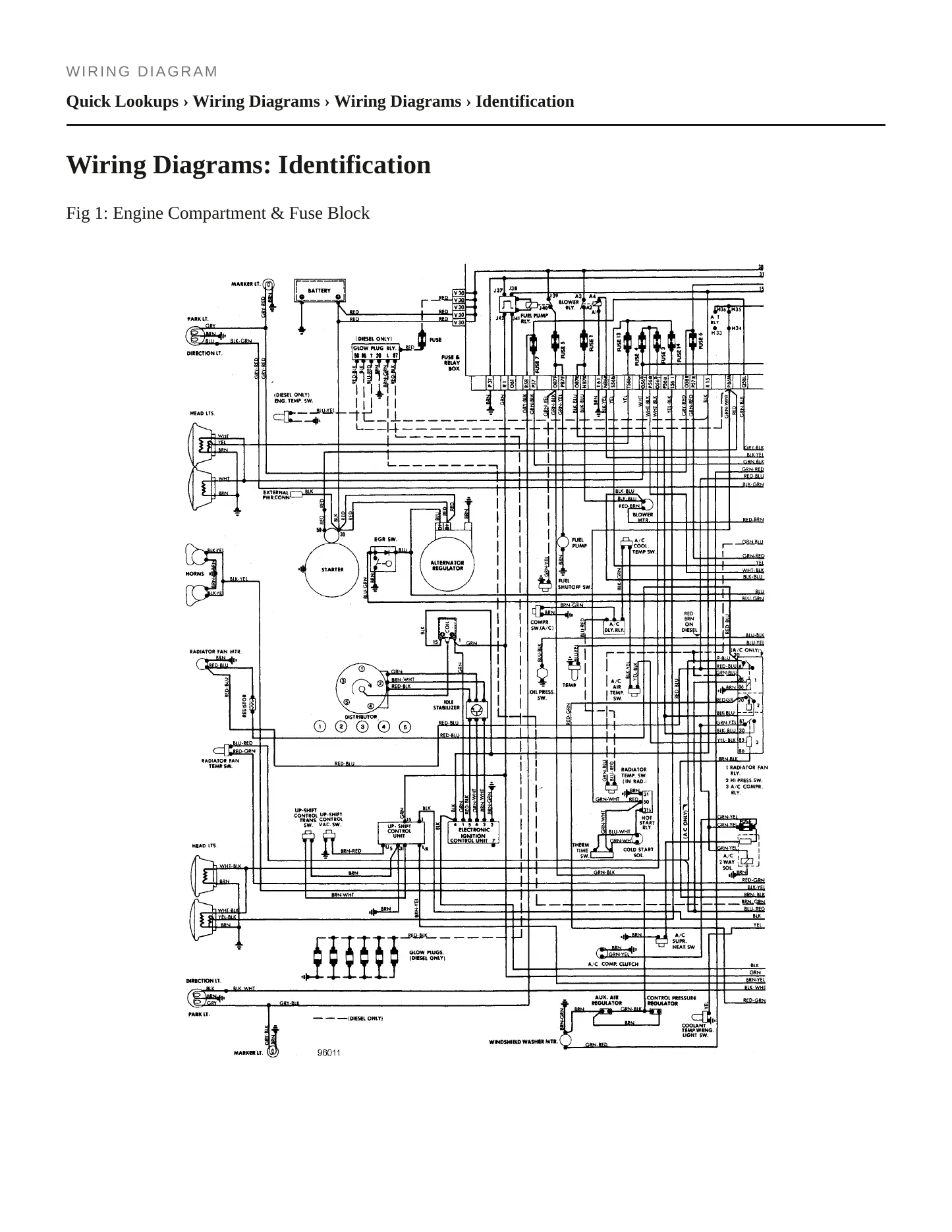
Unlock the full manual

1983 Audi 5000 Service and Repair Manual

This 1983 Audi 5000 factory service and repair manual is matched to this exact model year and trim, so the procedures and specifications inside are the ones Audi published for your sedan rather than figures borrowed from a later or earlier 5000.
Engines covered
- 2.2L inline-five — SOHC, turbocharged, gasoline
- 2.0L inline-five — SOHC, turbocharged, diesel
- 2.2L inline-five — SOHC, naturally aspirated, gasoline
Body styles covered
- 4-door sedan
Trims covered
- Base
- S
- S Turbo
Known issues on the 1983 5000. Five recalls are on federal record for this model year. The first covers the brake hose assemblies, which have inadequate crimps attaching the hose to the fittings and can separate, causing loss of braking power. The second covers the automatic transmission floor shift linkage, which can allow unexpected sudden acceleration from a stationary position when shifting from park to reverse or drive. The third covers the accelerator pedal, where an improperly placed floor mat can interfere with the vibration absorber so the pedal fails to fully return to idle, risking unintended acceleration. The fourth covers the brake and accelerator pedal spacing, where an insufficient height differential between the two pedals can lead the driver to depress both at once and lose control. The fifth covers the brake hoses again, where the outer rubber layer can turn brittle and crack under adverse weather, leading to brake fluid loss and a longer stopping distance. Owners have filed 2 complaints for the year. The factory diagnostic and repair procedures behind each of those systems are here.
From a brake hose inspection to checking pedal spacing and shift linkage travel, it keeps you on the OEM procedure and the correct specification for your specific 1983 5000.