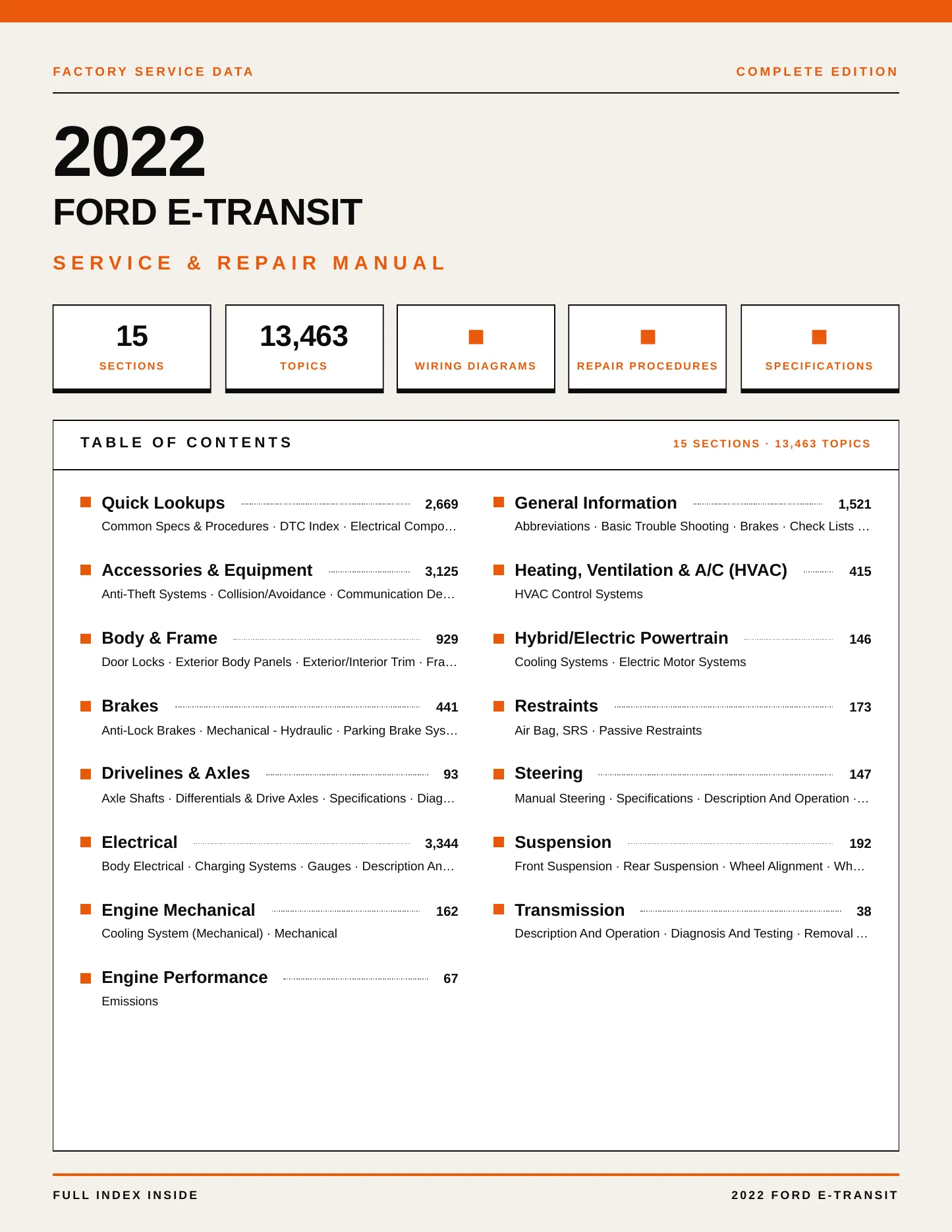
2022 Ford E-Transit Service and Repair Manual
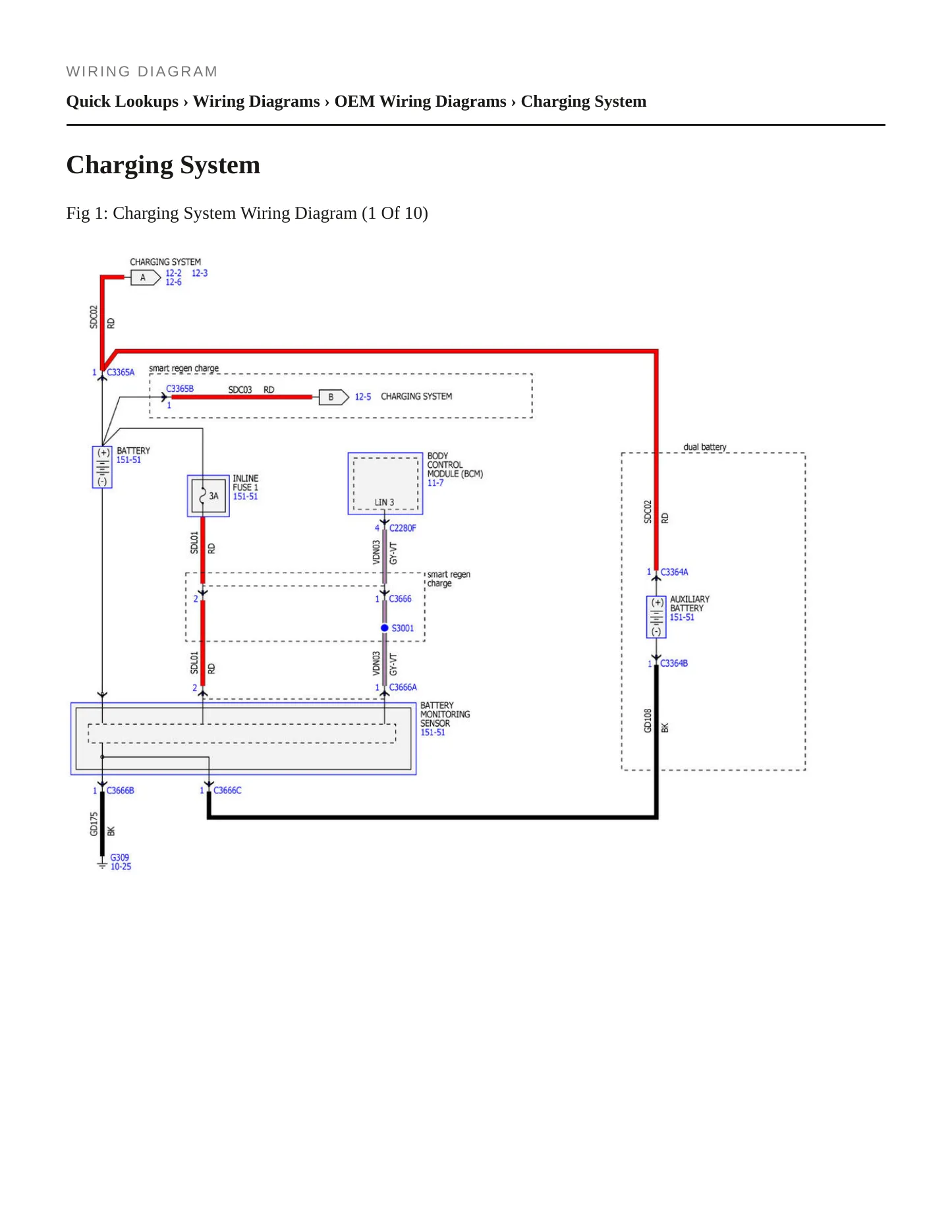
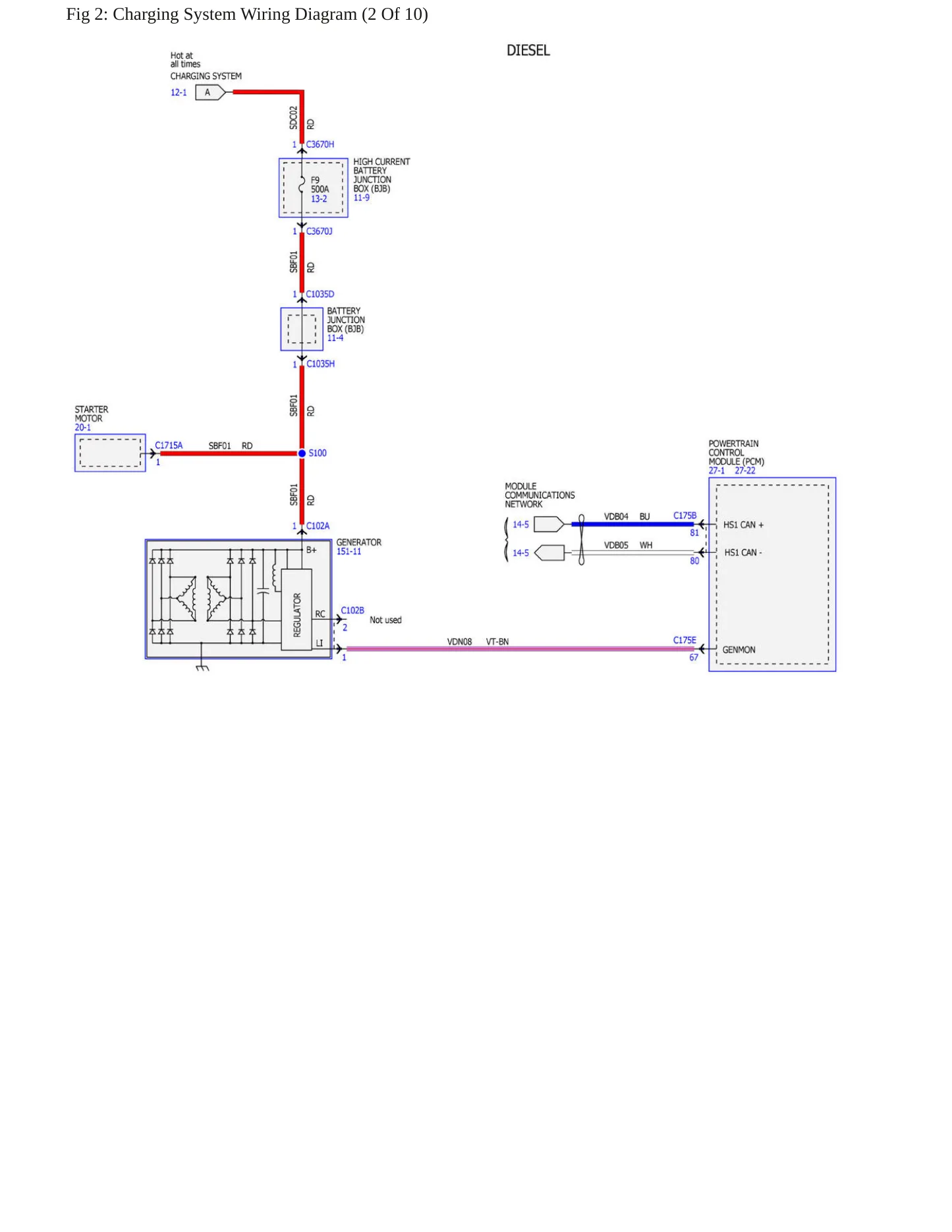
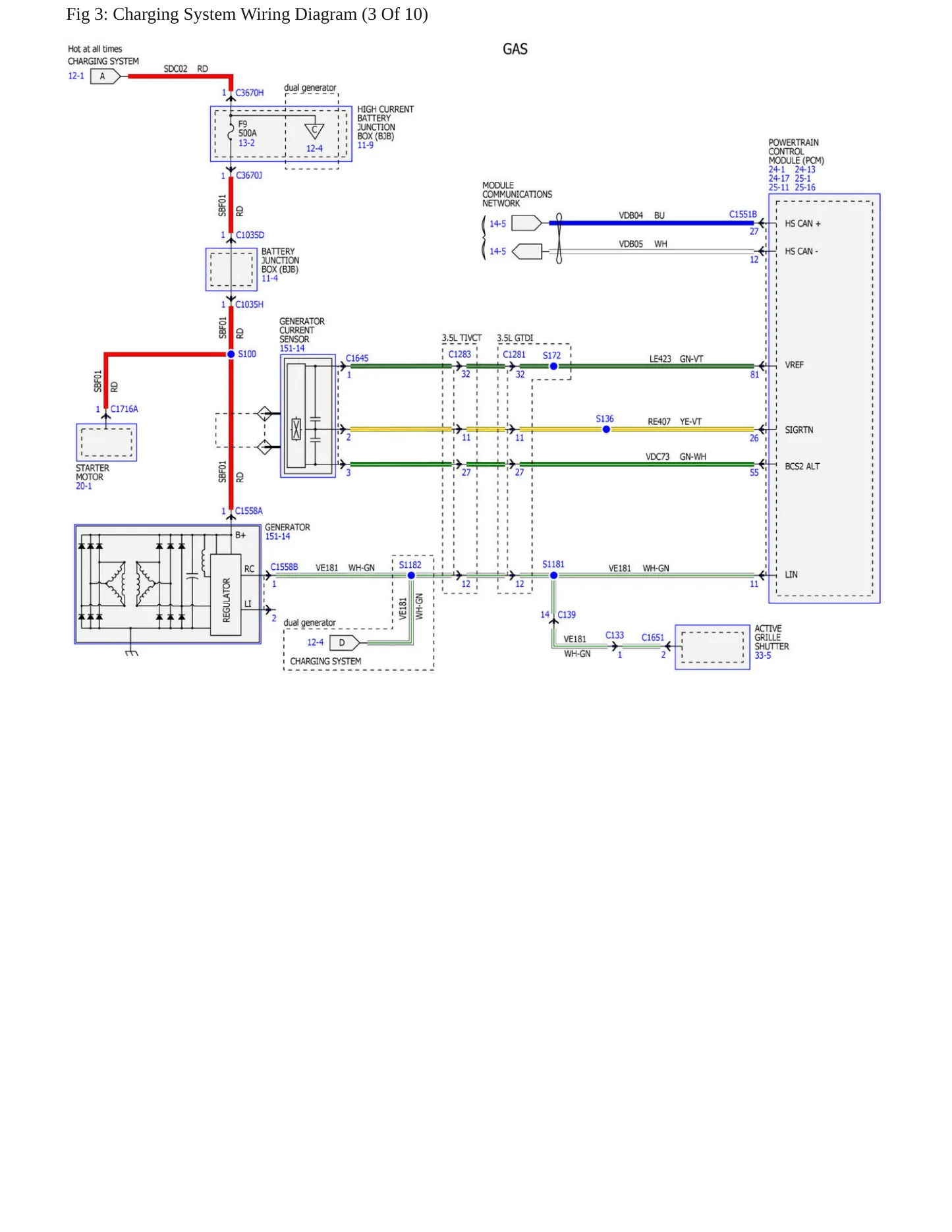
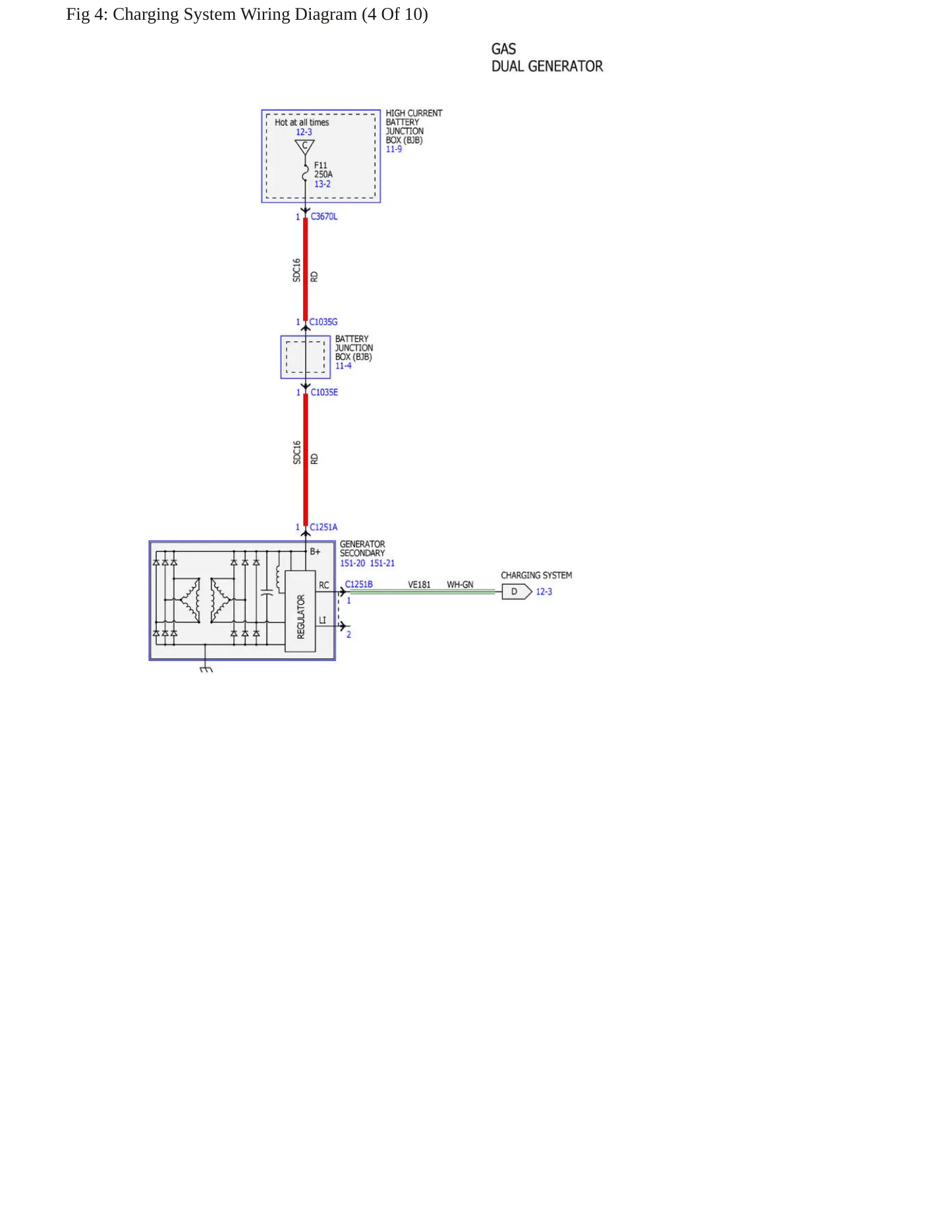
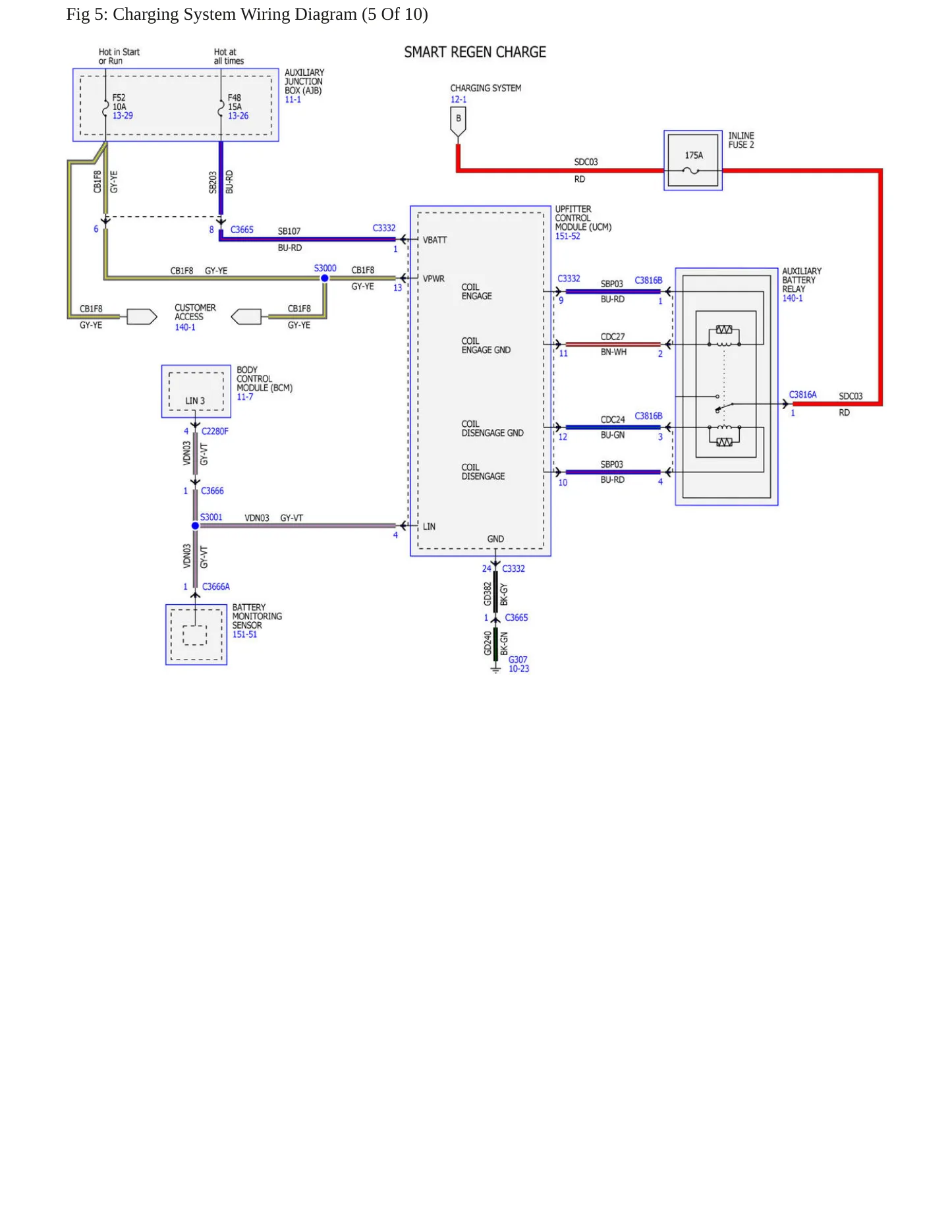
This factory service and repair manual for the 2022 Ford E-Transit covers the battery-electric van in six configurations: the three-door and four-door standard cargo vans, the three-door and four-door extended cargo vans, the two-door cutaway van and the two-door cab and chassis, across four trims: Base, Regular, Larga and Extendida. With no combustion engine, the procedures, specifications, torque values, wiring diagrams and diagnostics center on the battery-electric drive, its power drive unit and rear axle, the wiring, and the body and chassis systems that differ between the cargo, cutaway and cab-and-chassis versions.
Engines covered
- Battery-electric drive (EV)
Body styles covered
- 3-door extended cargo van
- 4-door extended cargo van
- 3-door standard cargo van
- 4-door standard cargo van
- 2-door cutaway van
- 2-door cab & chassis
Trims covered
- Base
- Extendida
- Larga
- Regular
Known issues on the 2022 E-Transit. The left rear axle half shaft carries the only recall on the 2022 federal record: it may partially disengage from the power drive unit. No owner complaints are logged with NHTSA. For the half shaft, the manual's rear axle and drive unit procedures, specifications and torque values are the relevant sections, and the wiring diagrams and diagnostics cover the battery-electric drive system and the body circuits of the cargo, cutaway and cab-and-chassis configurations.
Ford Motor Company (Ford) is recalling certain 2022-2025 E-Transit vehicles. The left rear axle half shaft may partially disengage from the power drive unit, which can result in a
Customer Satisfaction Program 23B64 Certain 2020-2024 Model Year Multiple Vehicle Lines Equipped with High Voltage Batteries Battery Energy Control Module (BECM) Software Update
Some 2021-2023 Mustang Mach-E vehicles equipped with nickel, cobalt and manganese (NCM) standard/extended range battery with minor feature codes HTHAD/HTHAE and 2022-2025 e-Transit vehicles equipped NCM standard range battery with minor fea
Some 2022-2025 E-Transit vehicles may exhibit an unsuccessful programmable module installation (PMI) and/or software updates on the GWM using the Ford Diagnosis and Repair System (FDRS) scan tool. FDRS may also show the GWM in the toolbox t
This article supersedes TSB 22-2491 to update labor times from M-time to AP-time and add a cap. Some of the vehicle listed in the model statement above may exhibit at least one of the following conditions: - Illuminated red triangle with di
In the affected vehicles, the Battery Charger Control Module (BCCM) software does not have a transfer function that predicts the charging port pin/terminal temperature. Some customers indicate that their battery may not fully charge and/or
For 2022-2024 e-Transit vehicles equipped with the standard range battery with engine code "ENC0" and 2021-2024 Mustang Mach-E vehicles when attempting to charge/balance high voltage battery modules (arrays) from remanufactured array kits,
Certain 2021-2022 Model Year Mustang Mach E and 2022 Model Year E-Transit High Voltage Battery Module (HVBM) Replacement In all of the affected vehicles, a High Voltage Battery Module (HVBM) was previously replaced using an incorrect Therma
Certain 2022-2024 Model Year Transit Battery Electric Vehicles (BEV) Off-Board Charger Controller (OBCC) Software Update The affected vehicles will now have the ability to charge at compatible Tesla Superchargers. Customers can use the Blue
Showing the 8 most recent of 164 technical service bulletins on file with NHTSA.