
Be the first to write a review
0%
(0)
0%
(0)
0%
(0)
0%
(0)
0%
(0)
Labor Day Sale: 30% off · Code LABOR30


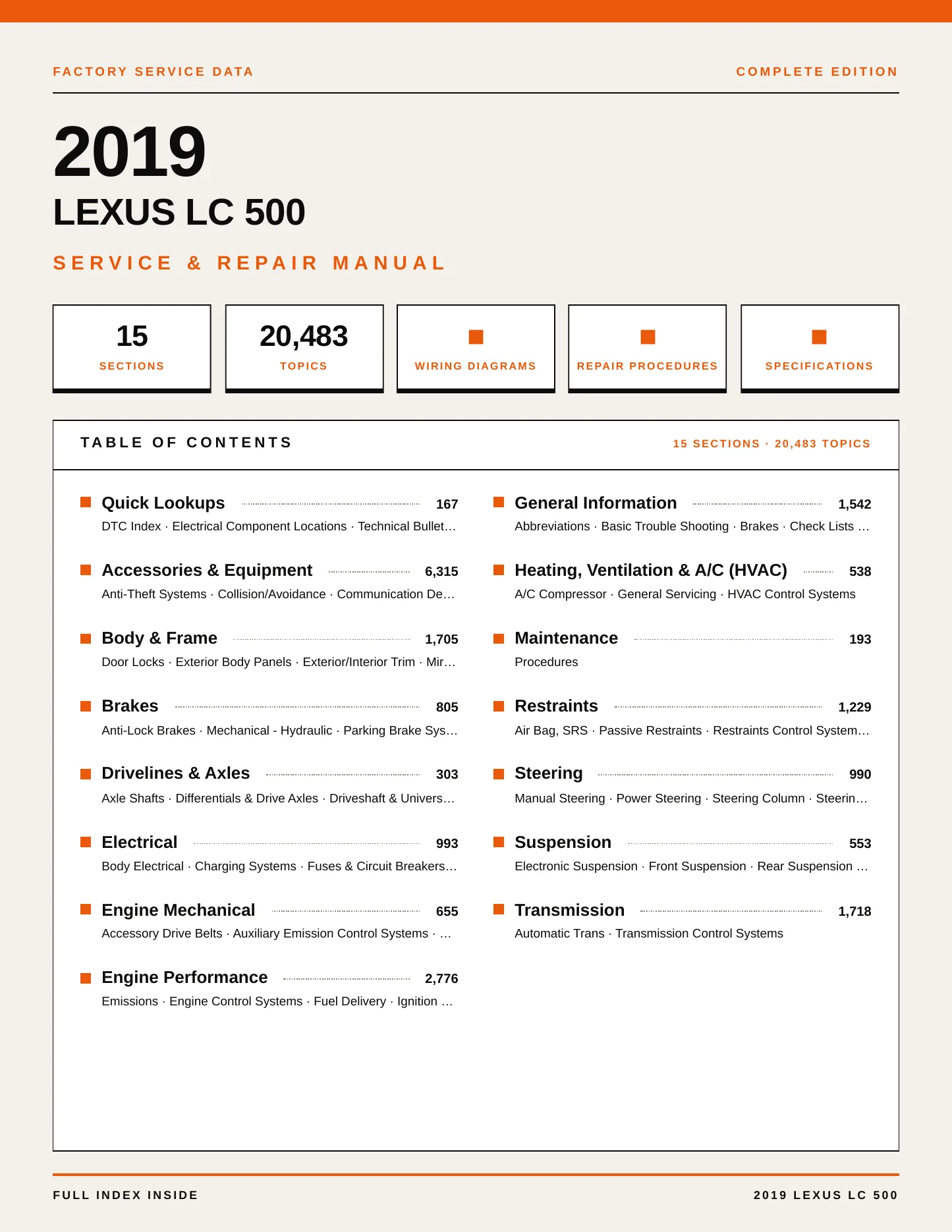
2019 Lexus LC 500 Service and Repair Manual

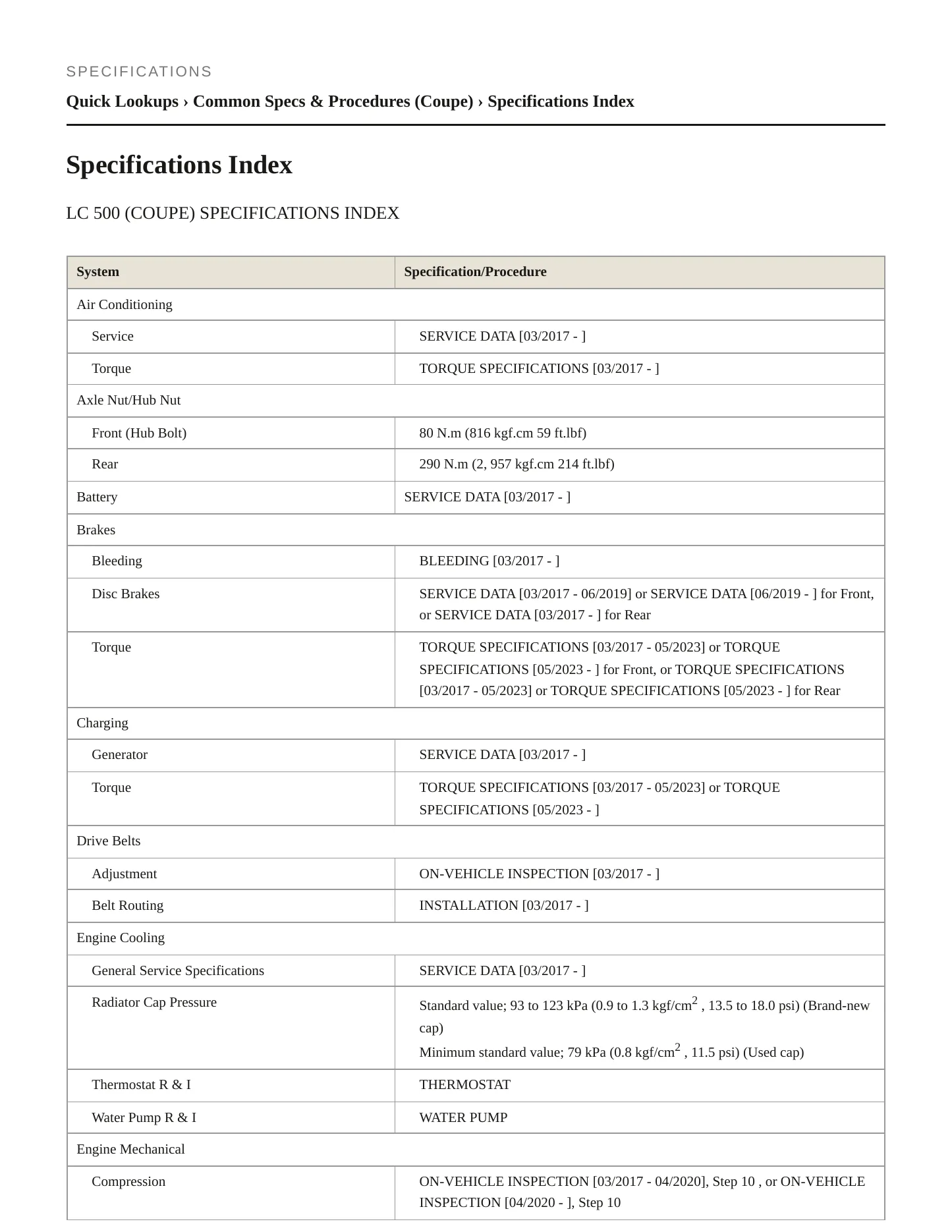
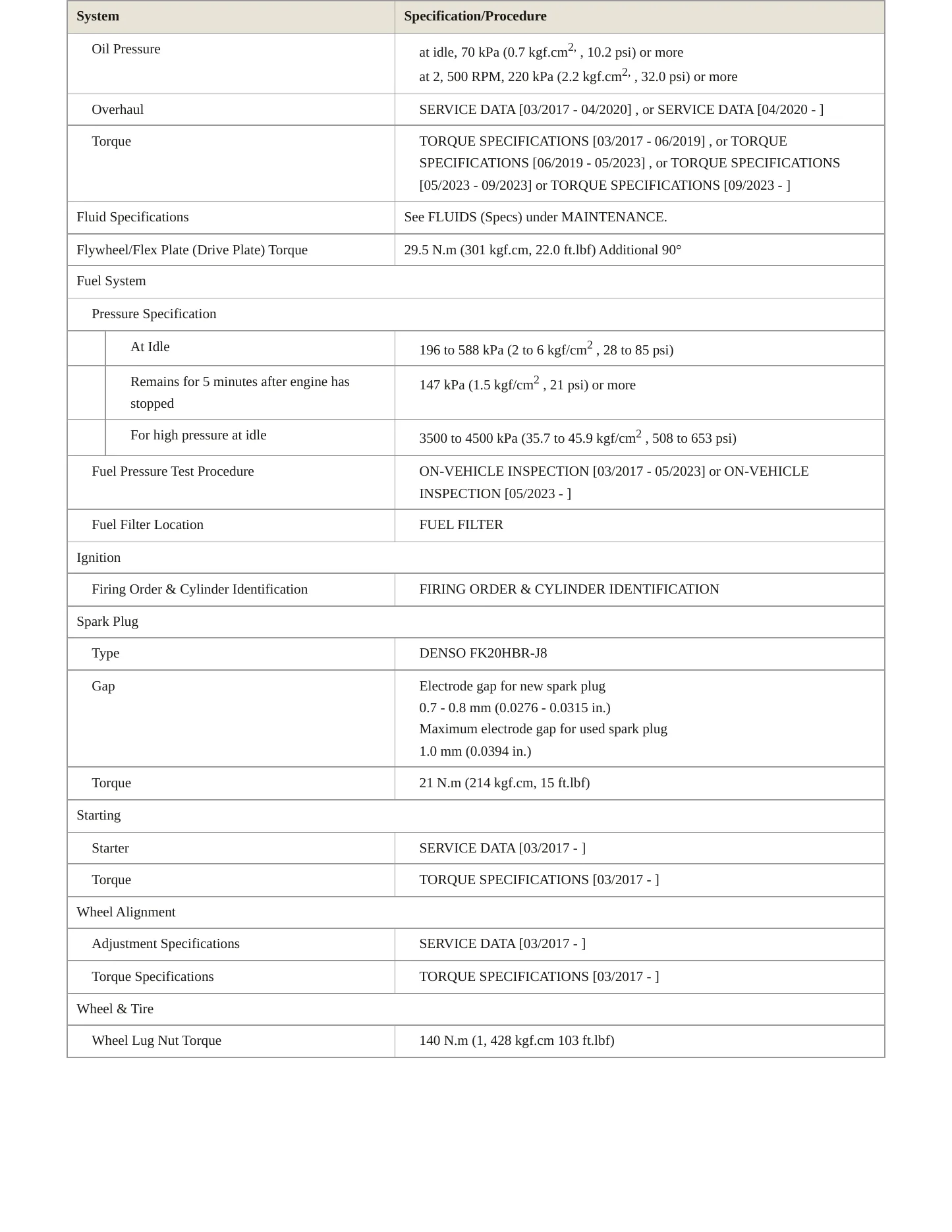
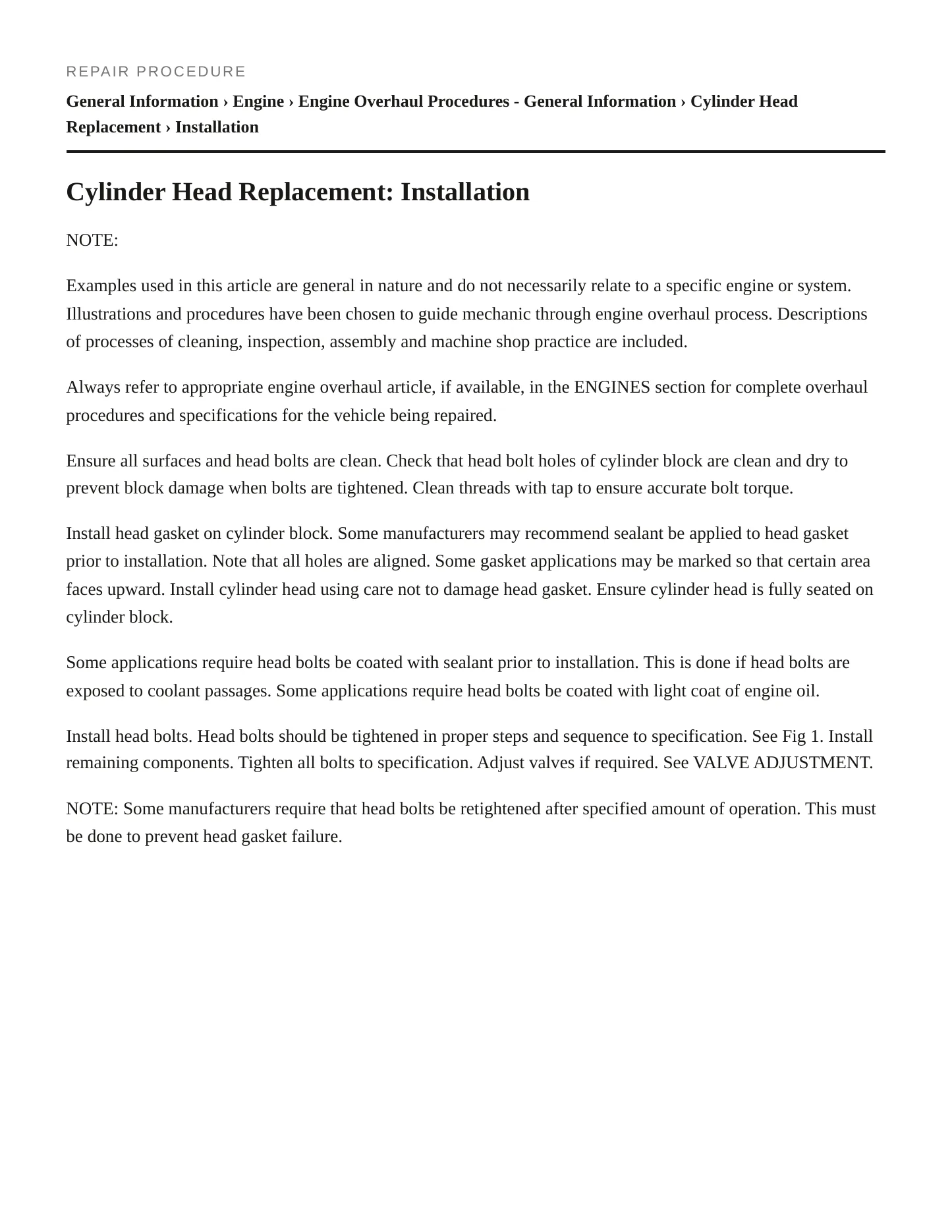
Built around the 2019 Lexus LC 500 exactly as Lexus configured it — the 5.0L V8 (2UR-GSE) in Base trim — this service and repair manual ties every clearance, torque figure and test value to your specific year and drivetrain instead of a range of model years lumped together.
Engines
Trims
Known issues on the 2019 LC 500. Three recalls are on federal record for this model year. Two of them cover the gasoline fuel system at the fuel pump: if the fuel pump fails, the engine can stall while driving, increasing the risk of a crash. The third covers electronic stability control, where the brake booster pump may fail and cause a deactivation of the vehicle stability control system and a loss of braking assist, increasing the risk of a crash. No owner complaints are on file for the year and no technical service bulletins have been issued. The diagnostic and repair procedures behind the fuel delivery and stability control systems are here.
Whether you are tracing a stall back through the fuel delivery side or working a stability control fault, it holds you to the OEM procedure and the correct specification for your specific 2019 LC 500.
Toyota Motor Engineering & Manufacturing (Toyota) is recalling certain 2018-2019 4Runner, 2019-2020 Avalon, 2019 Corolla Hatchback, 2017-2019 Highlander, 2018-2020 Camry, 2020 Corolla, 2018-2019 Land Cruiser, 2017-2020 Tacoma, 2019-2020 RAV4, 2019-2020 Sequoia, 2017-2020 Sienna, 2019-2020 Tundra, 2018-2020 Lexus ES350, 2017 Lexus GS200t, 2017-2019 Lexus GS350, 2019 Lexus GS300, 2018-2020 Lexus LC500h, 2019-2020 Lexus LS500, 2018-2019 Lexus GX460, 2017 Lexus IS200t, 2019 Lexus IS300, 2019 Lexus IS350, 2018-2020 Lexus LC500, 2018 Lexus LS500, 2019 Lexus LS500h, 2018-2019 Lexus LX570, 2017 Lexus RC200t, 2019 Lexus RC300, RC350, 2017 and 2019-2020 Lexus RX350, 2018-2020 RX350L, 2019 Lexus UX200,
If the fuel pump fails, the engine can stall while driving, increasing the risk of a crash.
Toyota will notify owners, and dealers will replace the fuel pump assembly with an improved one, free of charge. Owners of specific models were notified that remedy parts were available starting January 21, 2021. Owners of other models will be notified as remedy parts become available. Remedy parts should be available for all affected vehicles by late March 2021. Owners may contact Toyota customer service at 1-888-270-9371 or Lexus customer service at 1-800-255-3987. Note: This recall is an
Toyota Motor Engineering & Manufacturing (Toyota) is recalling certain 2019 Lexus LS500, LC500, ES300h, UX250h, LS500h, Toyota Prius, RAV4 HV, 2019-2020 Toyota Prius Prime, and 2020 Corolla HV vehicles. The brake booster pump may fail causing a deactivation of the Vehicle Stability Control system and a loss of braking assist. As such, these vehicles fail to comply with the requirements of Federal Motor Vehicle Safety Standard (FMVSS) number 126, "Electronic Stability Control Systems."
Deactivation of the vehicle stability control system or a loss of braking assist increases the risk of a crash.
Toyota will notify owners, and dealers will inspect and, if necessary, replace the brake booster pump, free of charge. The recall began September 20, 2019. Toyota owners may contact Toyota customer service at 1-888-270-9371 and Lexus owners may contact Lexus customer service at 1-800-255-3987. Toyota's numbers for this recall are K1L/K0L. Lexus' numbers for this recall are K2F/KLF.
Toyota Motor Engineering & Manufacturing (Toyota) recalled certain 2018-2019 4Runner, Highlander, Camry, Land Cruiser, Sequoia, Sienna, Tacoma and Tundra, and Lexus RC 300, RC 350, GS 350, GX 460, IS 300, LC 500, LS 500, LX 570, RX 350L, and 2019 Toyota Avalon and Corolla, and certain Lexus NX 300, and ES 350 vehicles on January 13, 2020. On March 4, 2020, Toyota expanded the recall to include certain 2014-2015 Toyota 4Runner and Land Cruiser, 2018 Avalon, Corolla, 2014 FJ Cruiser, 2017 Sienna and Lexus 2018 ES 350, 2018-2019 GS 300, 2013-2014 GS350, 2014-2015 GX 460, IS 350 and LX 570, 2014 IS F, 2018-2019 IS 350, LC 500H and LS 500H, 2013-2015 LS 460, 2015 NX 200T and RC350, 2017 RC 200T
If the fuel pump fails, the engine can stall while driving, increasing the risk of a crash.
Toyota will notify owners, and dealers will replace the fuel pump, free of charge. The recall began May 4, 2020. Owners may contact Toyota customer service at 1-888-270-9371 or Lexus customer service at 1-800-255-3987. Toyota's numbers for this recall are 20TB02 and 20TA02 for Toyota vehicles and 20LB01 and 20LA01 for Lexus vehicles.
TSB: Some 2013 ? 2020 model year Lexus vehicles may exhibit a hard start and/or MIL ON condition with one or more of the following Diagnostic Trouble Codes (DTCs): ?DTC P0171 and/or P0174 (System Too Lean Bank 1/Bank 2) ?DTC P0087 Fuel Rail
DL: On December 20, 2022, a settlement of claims for certain low pressure fuel pumps was approved by the federal court. The settlement includes Lexus?s agreement to provide a Customer Support Program for certain 2013-2020 model year (MY) ve
TSB: Some 2018 ? 2022 model year Lexus vehicles equipped with the Enform? 2.0 Navigation System, require a Special Service Tool (SST) USB flash drive to update the map, points of interest, and system software. The SST is used with applicabl
OBSOLETE NOTICE December 08, 2022: This bulletin is now obsolete. Please see L-SB-0057-22
TSB: All 2018 ? 2022 model year LC 500 and LC 500h, and 2022 model year LC 500 Convertible vehicles are equipped with high-friction brake pads specifically designed for superior braking performance and response. As a result, the front or re
TSB: All 2018 ? 2022 model year LC 500 and LC 500h, and 2022 model year LC 500 Convertible vehicles are equipped with high-friction brake pads specifically designed for superior braking performance and response. As a result, the front or re
TT: To improve guest support of telematics connected services features, additional resources have been provided in the Service Lane - Knowledge Center.
Lexus Safety Recall and Service Campaign - Technician Certification Requirements 4.13.2022
Showing the 8 most recent of 95 technical service bulletins on file with NHTSA.