

Few vehicles inspire the Wrangler's loyalty. Few also build a complaint file quite like it. Here is the honest reliability picture — and the faults worth knowing before you buy, sell, or pick up a wrench.
The Jeep Wrangler occupies a strange place in the automotive world. By almost every objective measure — ride comfort, on-road composure, fuel economy, interior refinement — it is outpointed by crossovers costing thousands less. And yet it routinely outsells them, holds its resale value like almost nothing else on the road, and turns ordinary owners into evangelists. The Wrangler is not bought with the head. It is bought with the heart, and forgiven for nearly everything.
Nearly. Strip away the romance and look at the federal record, and a more complicated picture emerges. Across model years from 1987 to 2024, the U.S. National Highway Traffic Safety Administration lists 165 separate safety recalls and more than 22,000 owner complaints tied to the Wrangler nameplate. That doesn't make it a bad vehicle. It makes it a vehicle with character — and characters have flaws worth knowing.
An icon built on compromise
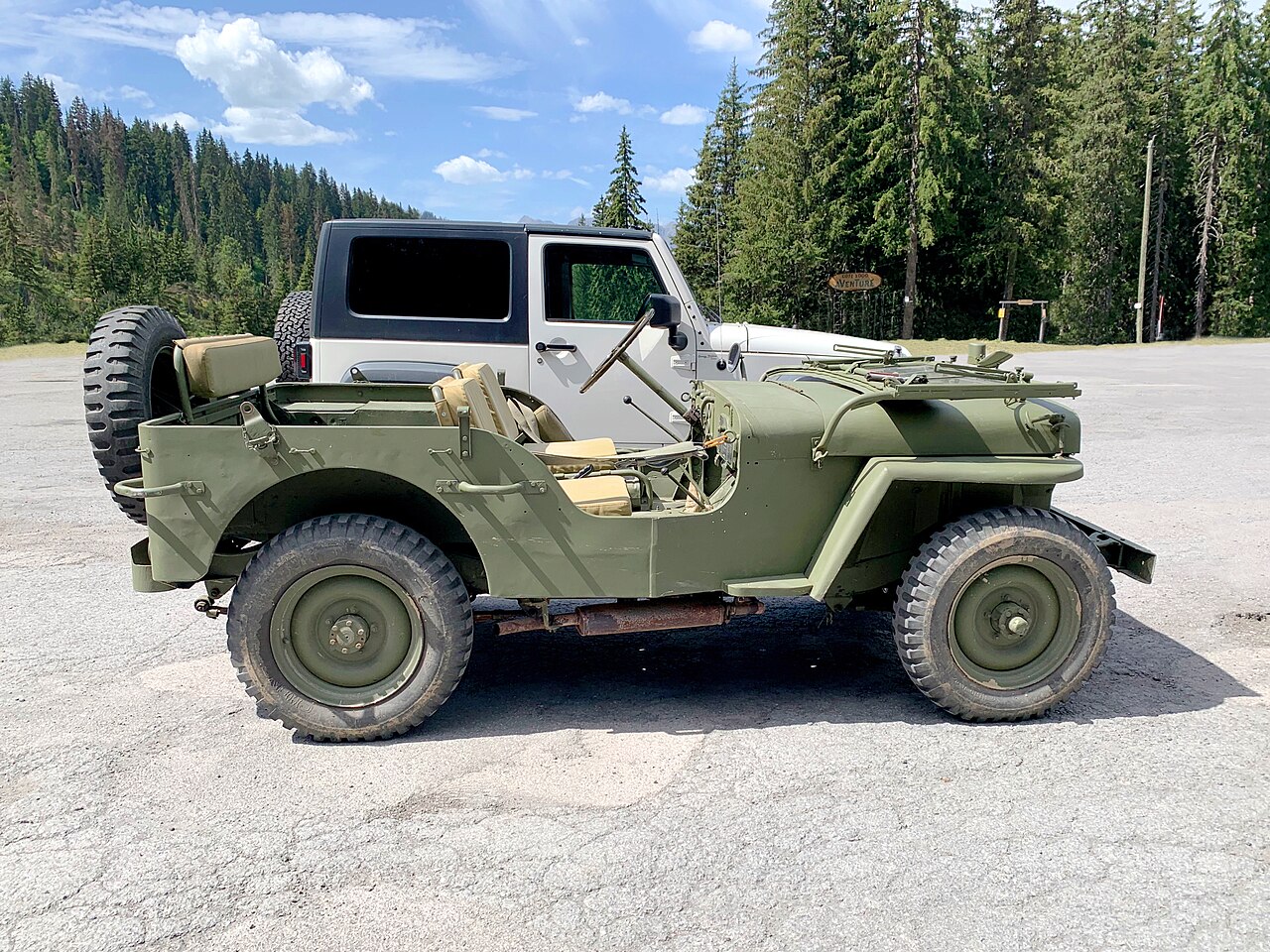
The Wrangler's DNA runs straight back to the Willys MB that the U.S. Army drove across Europe and the Pacific. The hallmarks are still there: a body bolted to a ladder frame, a live front axle slung under leaf or coil springs, doors and a roof you can take off in a parking lot. Those are the decisions that make a Wrangler astonishing off-road and idiosyncratic on it — and, as we'll see, they're also the root of its most famous fault.
Know your generation
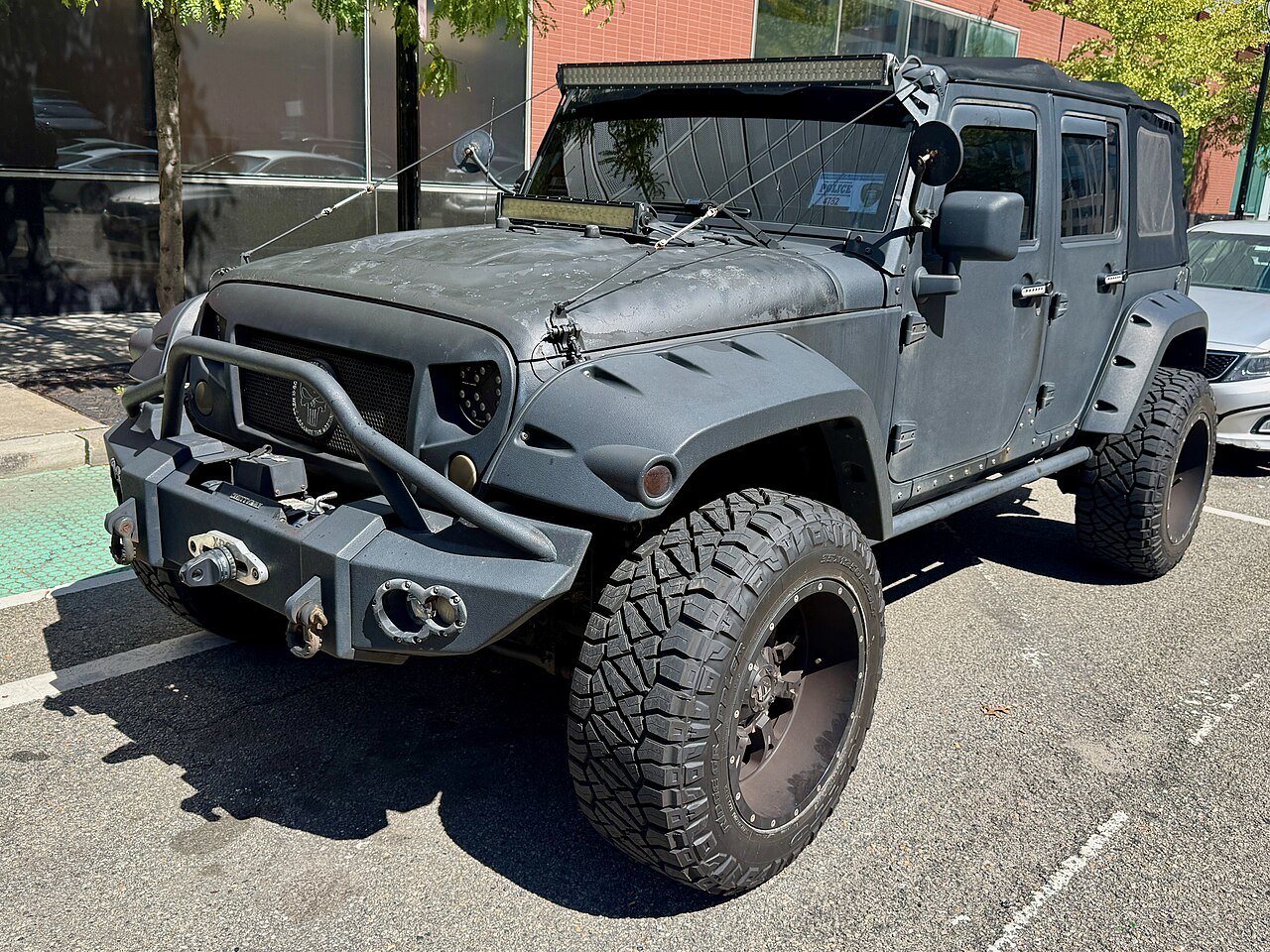
Three modern eras matter to a buyer. The TJ (1997–2006) is the enthusiast's darling, largely because of its bulletproof 4.0-litre inline-six. The JK (2007–2018) brought four doors and modern safety kit, but launched with the underwhelming 3.8-litre V6 before the excellent 3.6-litre Pentastar arrived for 2012. The JL (2018–present) is the most refined Wrangler ever, with a turbocharged 2.0-litre four, the carried-over Pentastar, a short-lived 3.0-litre EcoDiesel, and the 4xe plug-in hybrid. Each generation has its own personality — and its own recall history.
The problems every owner should know
"Death wobble." No discussion of the Wrangler escapes it. The term describes a violent, self-reinforcing oscillation of the front end — usually triggered by a bump at highway speed — that shakes the steering wheel hard enough to alarm anyone who hasn't felt it before. It is not a single defective part. It is the solid front axle amplifying play in worn or loose steering and suspension components: the track bar, control-arm bushings, ball joints, tie-rod ends, and steering damper. The good news is that it is almost always curable with a methodical front-end inspection and the right replacement parts; Jeep itself fitted a revised steering damper to the JL after a wave of complaints. The bad news is that a guess-and-replace approach can cost you a small fortune before you find the culprit.
Powertrain. Twenty-three of the Wrangler's recalls touch the power train, and the complaint files add detail the recalls don't. Early 3.6-litre Pentastar engines (roughly 2012–2013) were prone to a left-bank cylinder-head failure that announced itself as a persistent tick or misfire — common enough that Chrysler extended the warranty to cover it. The older 3.8-litre V6 is durable but merely adequate on power and runs warm when worked hard. As always, confirm any engine-related repair was actually completed, not just acknowledged.
Airbags and electrical. The single largest recall category — 31 of the 165 — is air bags, the bulk of it the industry-wide Takata inflator campaign that swept up Wranglers built across the 2007–2018 window. A VIN check at the NHTSA database is non-negotiable on any used example from that era. Close behind, 17 recalls involve the electrical system; on JK-era trucks the Totally Integrated Power Module (TIPM) earned a reputation for gremlins ranging from no-starts to a fuel pump that simply wouldn't quit.
The Wrangler doesn't hide its flaws. It just asks whether you love it enough to live with them — and most owners decide they do.
Brakes, fuel, and the busy years. Service brakes (15 recalls) and the gasoline fuel system (13) round out the heavy hitters. And recalls don't spread evenly: the 2021 JL alone carries eleven separate recalls — a reminder that the first years of a redesign, and of new powertrains like the 2.0-litre turbo and 4xe, tend to shake out their problems in public.
Then there are the quirks that never make a recall list but define ownership all the same: water that finds its way past door and window seals, soft-top wind noise that turns a highway into a wind tunnel, and trim that rattles loose over rough trails. None of it is dangerous. All of it is the price of a roof you can remove.
So which one should you buy?
If simplicity and longevity top your list, a clean TJ with the 4.0-litre six remains a cult favourite for good reason. For a usable daily, a post-2014 JK with the 3.6-litre Pentastar hits the sweet spot — just verify the early-engine fix on 2012–2013 cars. JL buyers get the most capable and comfortable Wrangler yet, ideally a 2019-or-later example with the updated steering components already fitted. Across every generation, the rule is the same: the Wrangler rewards the buyer who inspects the front end, checks the recall VIN, and budgets for maintenance the romance brochure never mentions.
Planning to turn the wrench yourself?
The Wrangler's body-on-frame simplicity is a gift to the home mechanic — a front-end rebuild, a TIPM swap, even a head job are all within reach with the right information. A factory service manual for your exact year gives you the same step-by-step procedures, torque figures and wiring diagrams the dealer technicians work from, so a fix stays a fix instead of becoming a tow.
Find your Jeep Wrangler manual →None of this is a reason to walk away from a Wrangler. It's a reason to walk in with your eyes open. The people who love them aren't blind to the faults — they simply weighed the trade and decided that a vehicle which can climb a mountain, lose its roof, and look unchanged for eight decades is worth a little extra attention in the driveway. On that math, the Wrangler has been winning for a very long time.
.jpg)

_-_01.jpg)